Intercept before the skip
Full recovery and material extraction was run at the depot itself, on the clearance timetable.

Case study · Delivery · Argentina
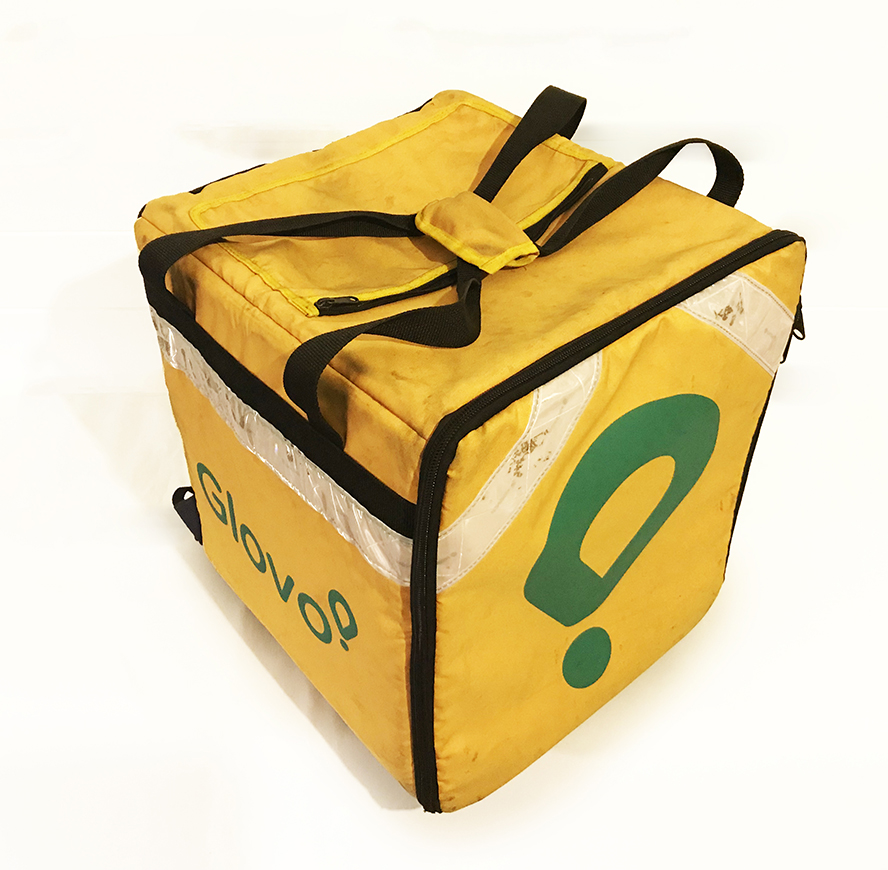
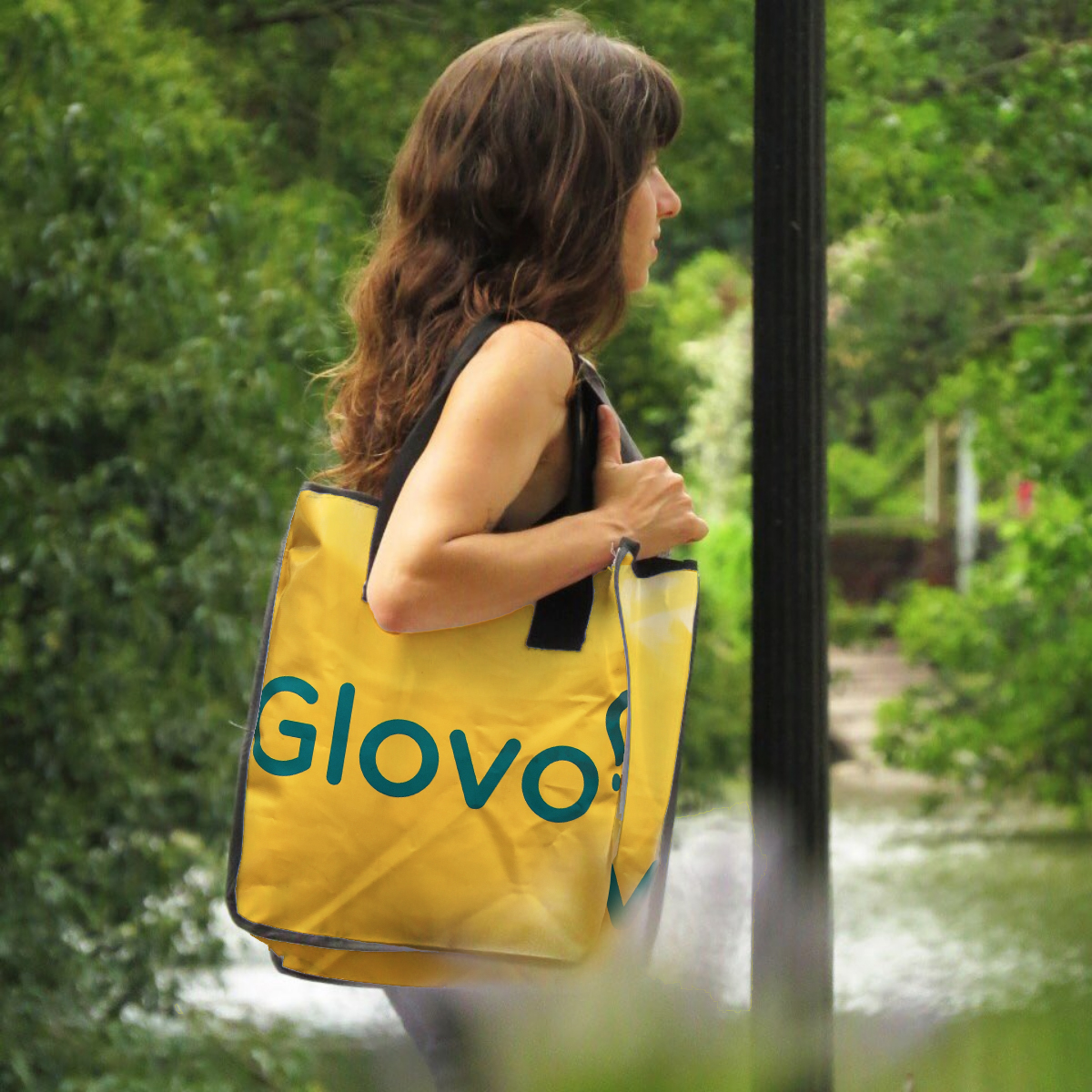
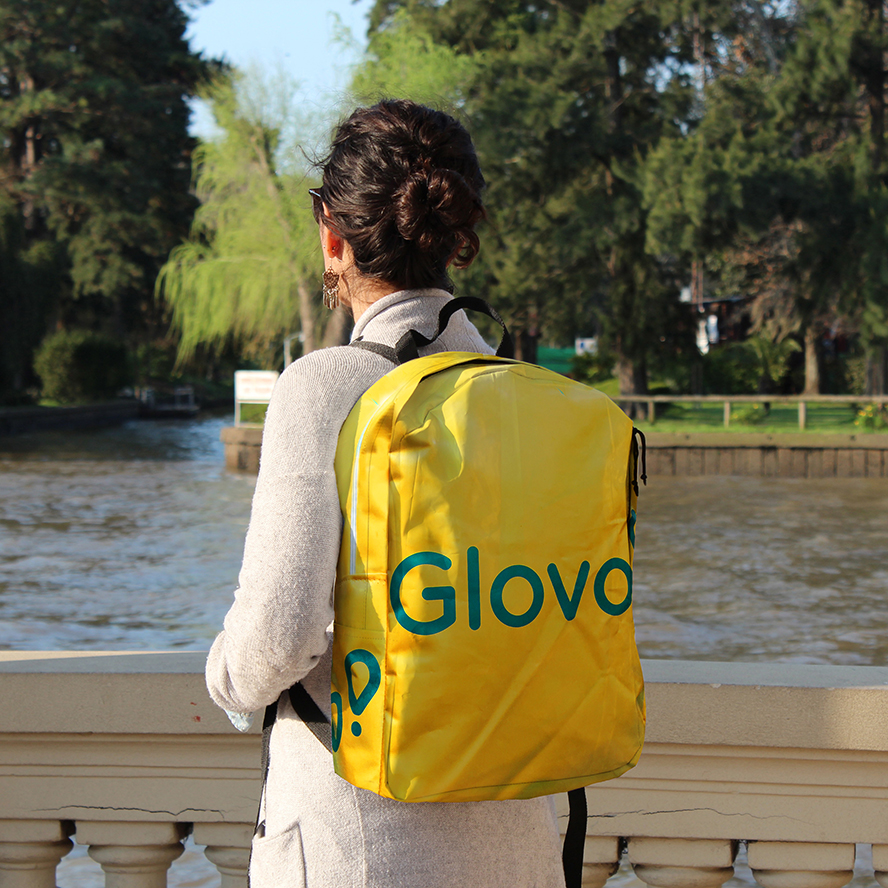
When Glovo closed its operation in Argentina, its delivery bags and uniforms had done their job. Recovered at the depot, they returned as tote bags, backpacks and pouches that carry the story of the service they were part of.
01 · Challenge
When an operation shuts down, its materials stop being assets and become a clearance problem with a date on it. Delivery bags, uniforms, everything at once, and a lease that ends.
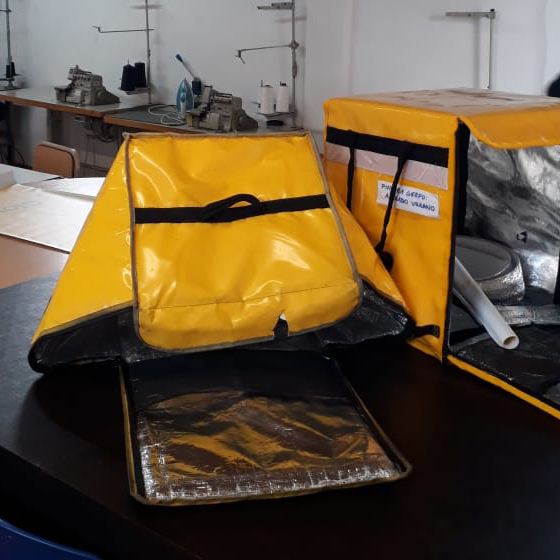
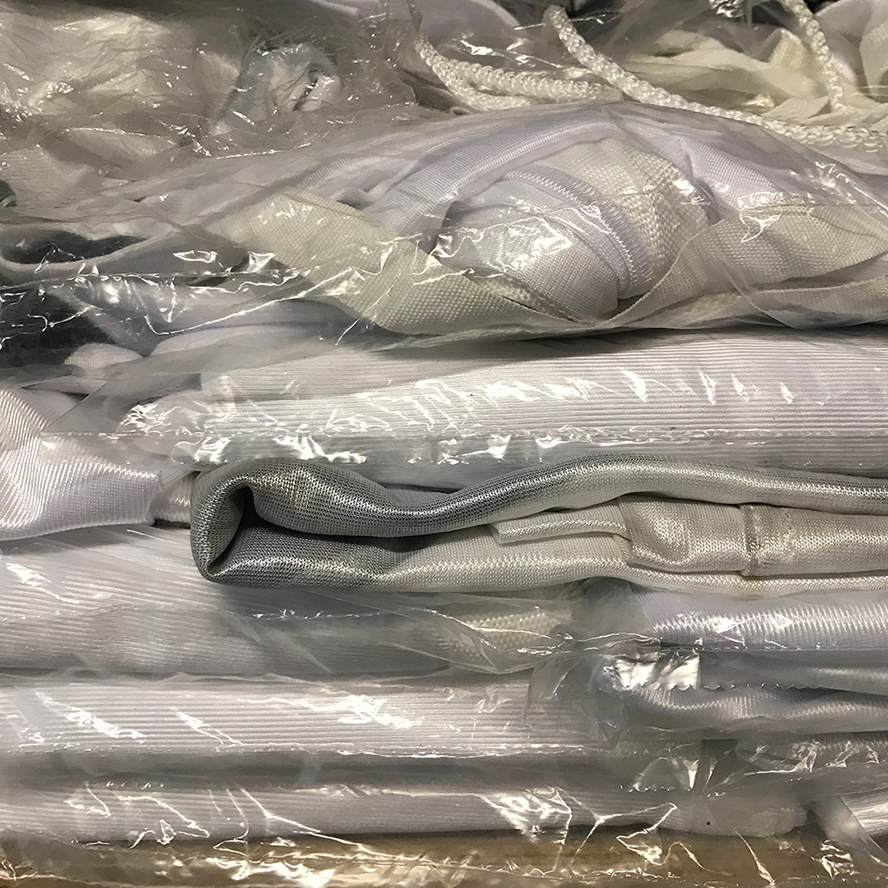
The bags were not a single material either: they are insulated, structured objects that have to be taken apart before anything can be made from them.
02 · Strategy
Glovo invested in transforming the material rather than paying for its disposal, putting the budget into craftsmanship, durability and a product with genuine material value.
Full recovery and material extraction was run at the depot itself, on the clearance timetable.
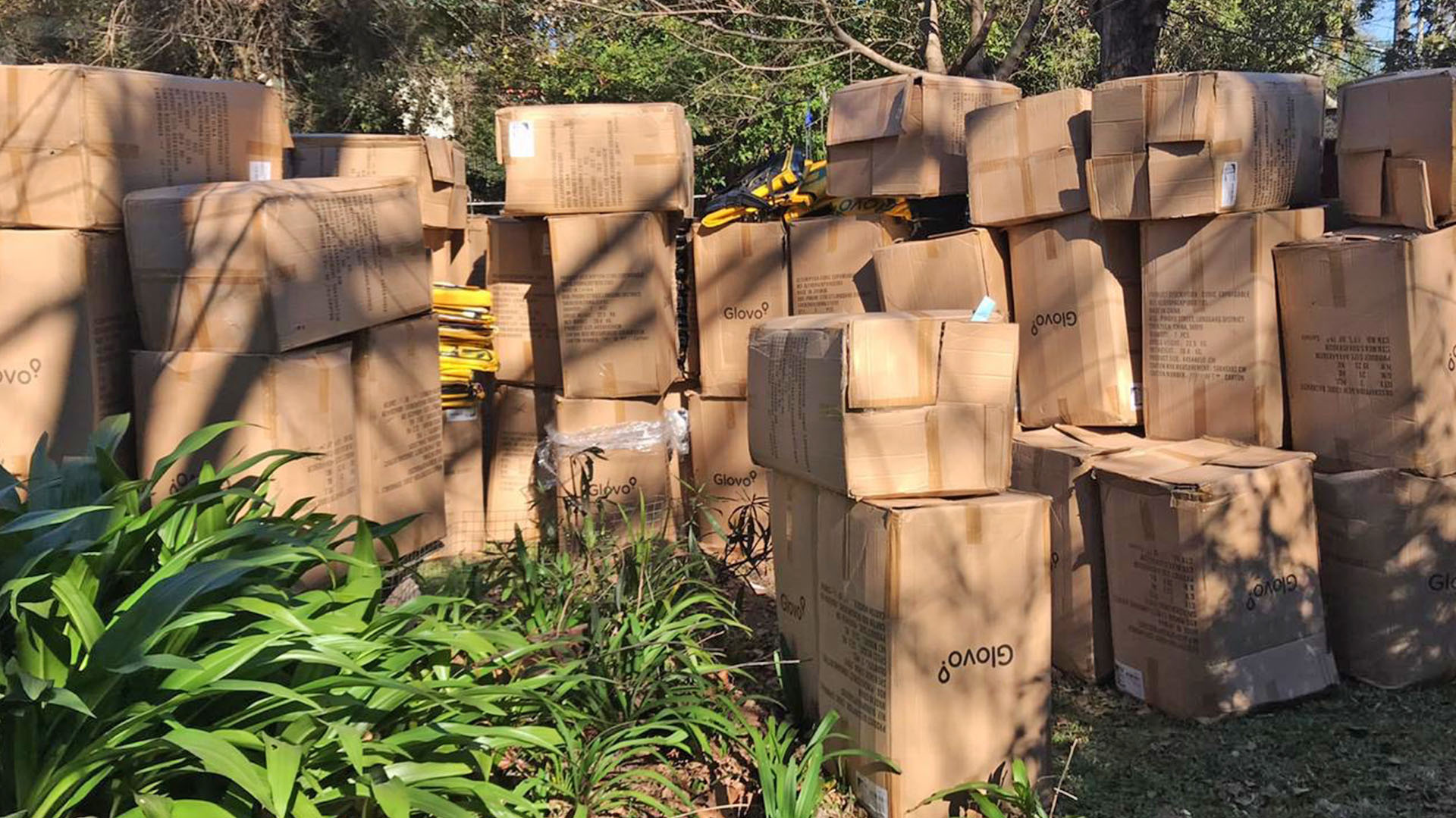
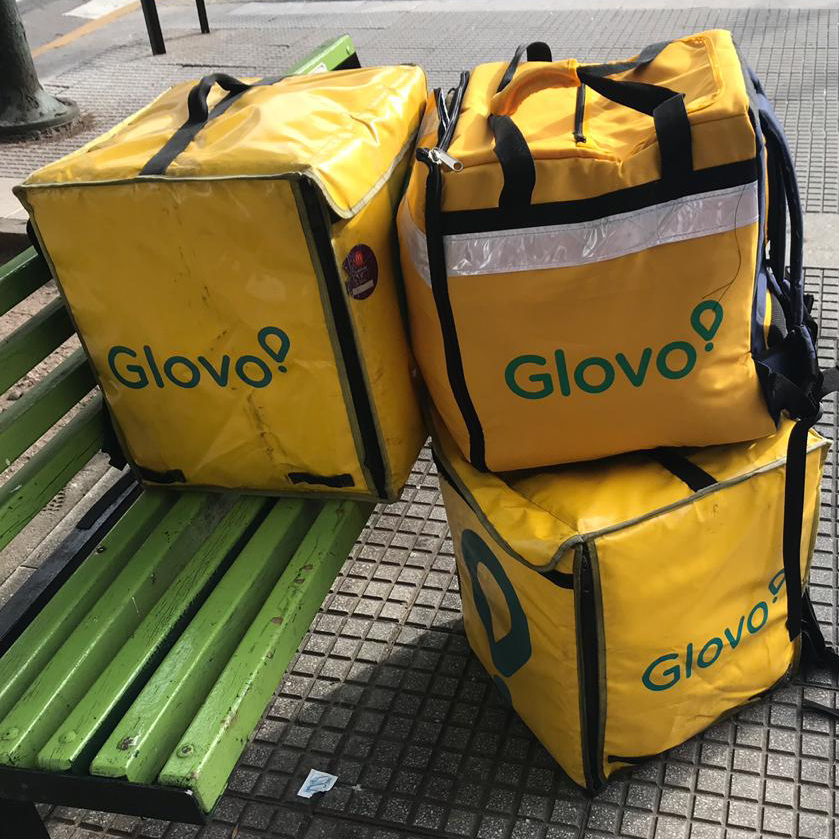
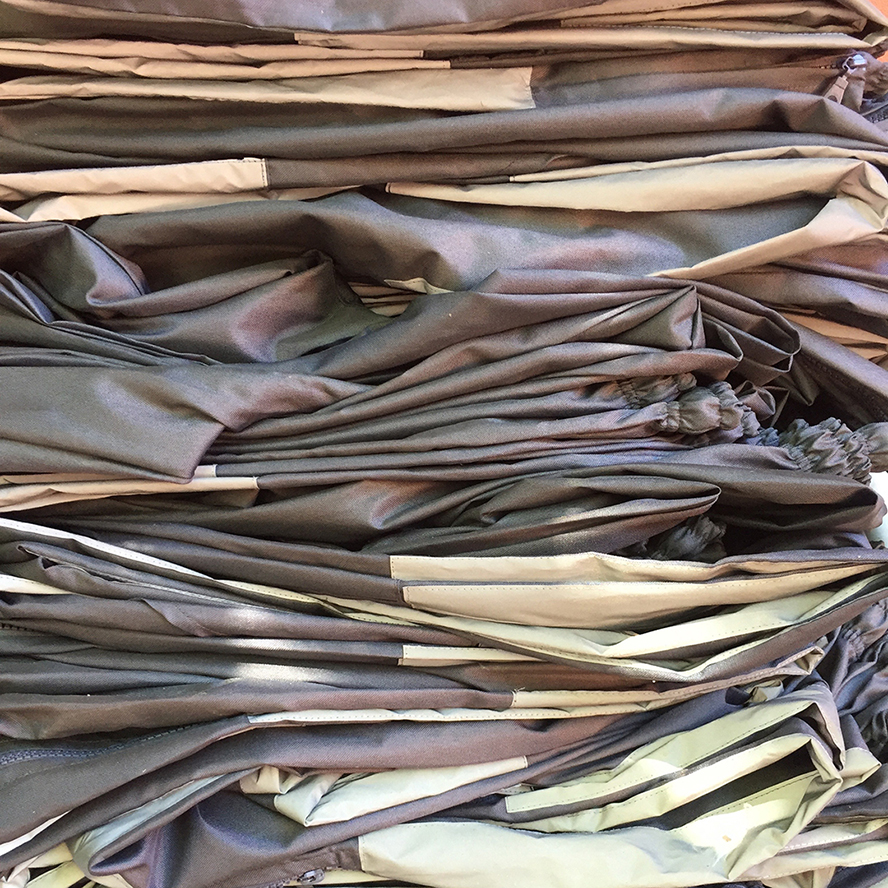
1,027 delivery bags intercepted and 397 m² of uniform textile recovered, creating the material base for the new collection. Of everything dismantled, 87% was recovered, with the remaining 13% measured, declared and accounted for.
It is about changing the story of the material and the people behind it: bags and uniforms that served the delivery operation, returned as objects that keep being used after it closed.
03 · Process
It is not about hiding the material or recycling it until it becomes unrecognisable. The material is the value. With creativity, innovation and a trained eye, what others see as waste can be recognised for what it still has to offer, then redesigned around a new purpose without losing the story of where it came from.
04 · Evidence
1,027 delivery bags systematically dismantled at an 87% recovery rate, and 397 m² of uniform textile reclaimed.
The figures in this case are checked and the record is managed by REZET Hub.
Recovery ran inside the depot on the clearance timetable, because once a closing operation books a waste collection the material stops being available.
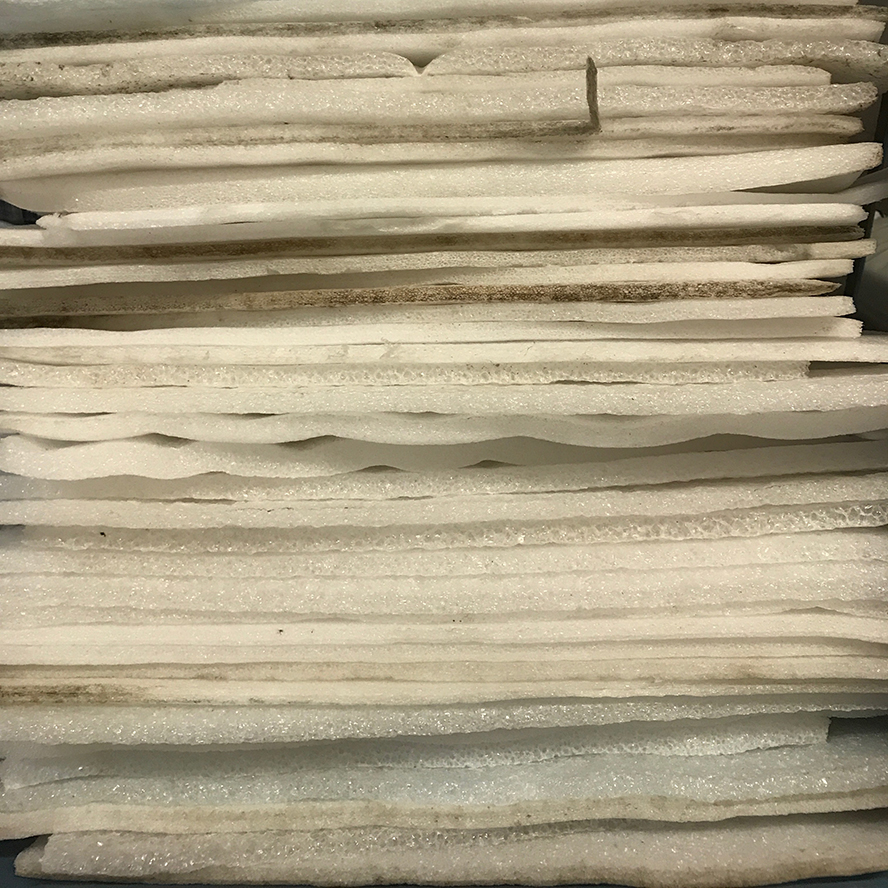
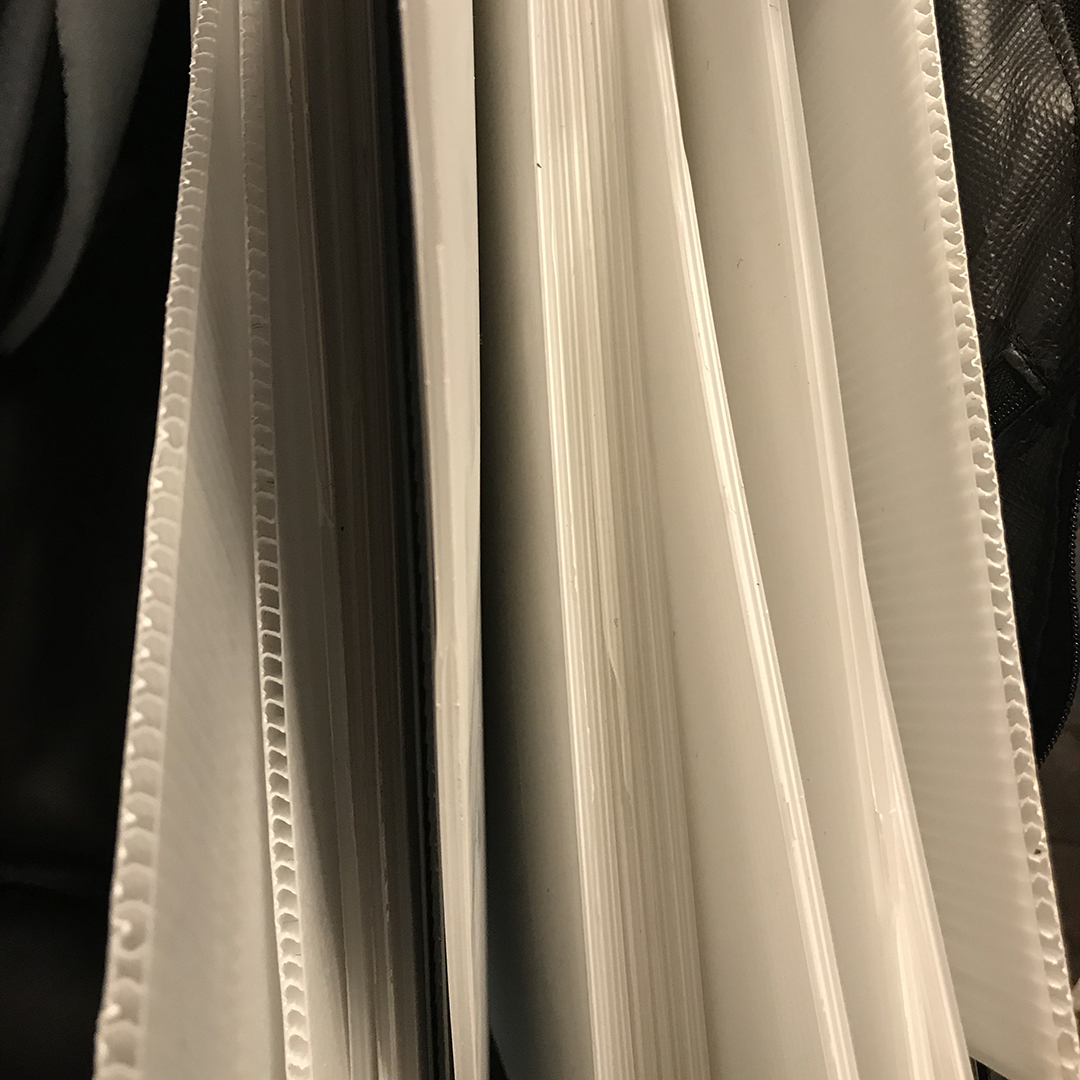
Insulation, structure and outer shell separated by component, which is the step that decides whether anything can be made at all.
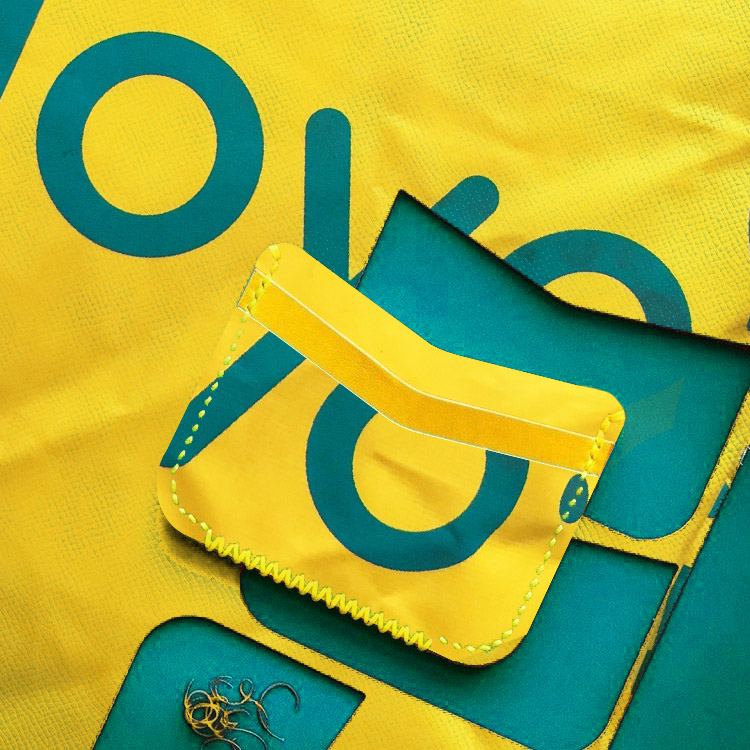
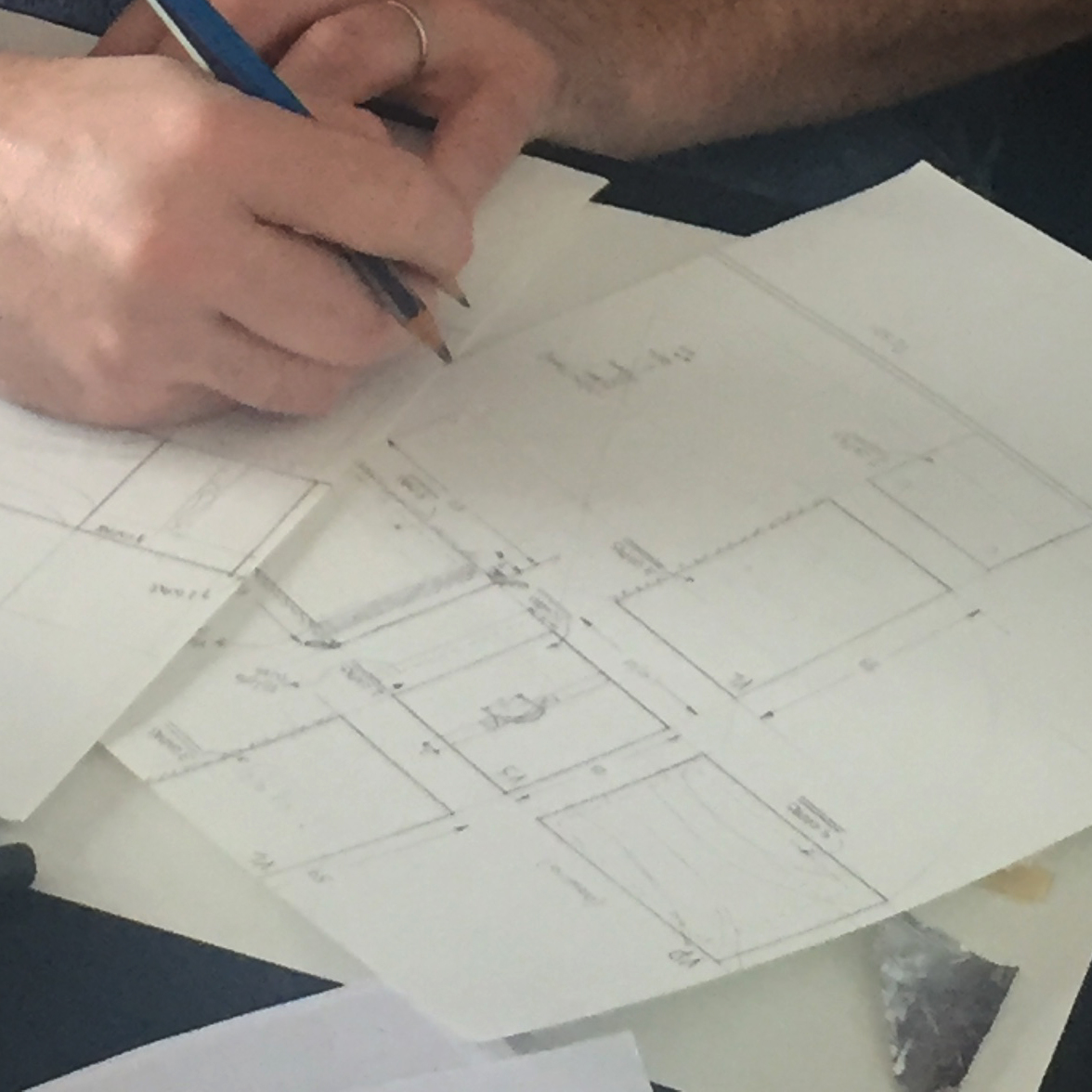
Tote bags, backpacks and pouches specified around the panels that came out intact, instead of forcing the material into a predefined catalogue.
The recovery rate is recorded against what entered, together with 397 m² of uniform textile. The 13% that did not recover is stated, not omitted.
Behind each of these figures there are families. The people who cut and sew in these workshops are not a line in our metrics: they are heads of family who have come through hard circumstances, and paid, skilled work is what lets them be the ones who provide.
05 · Outcome
1,027 delivery bags at an 87% recovery rate and 397 m² of uniform textile. Both streams were upcycled into tote bags, backpacks and pouches — recovered in the few weeks a depot clearance allows. Made by 12 people in social impact workshops.
Why repurpose




















Start a circular programme
Tell us what you have and what outcome you need. We will assess the stream before you commit to scale.
Request a waste assessment