Totems in stores and gyms
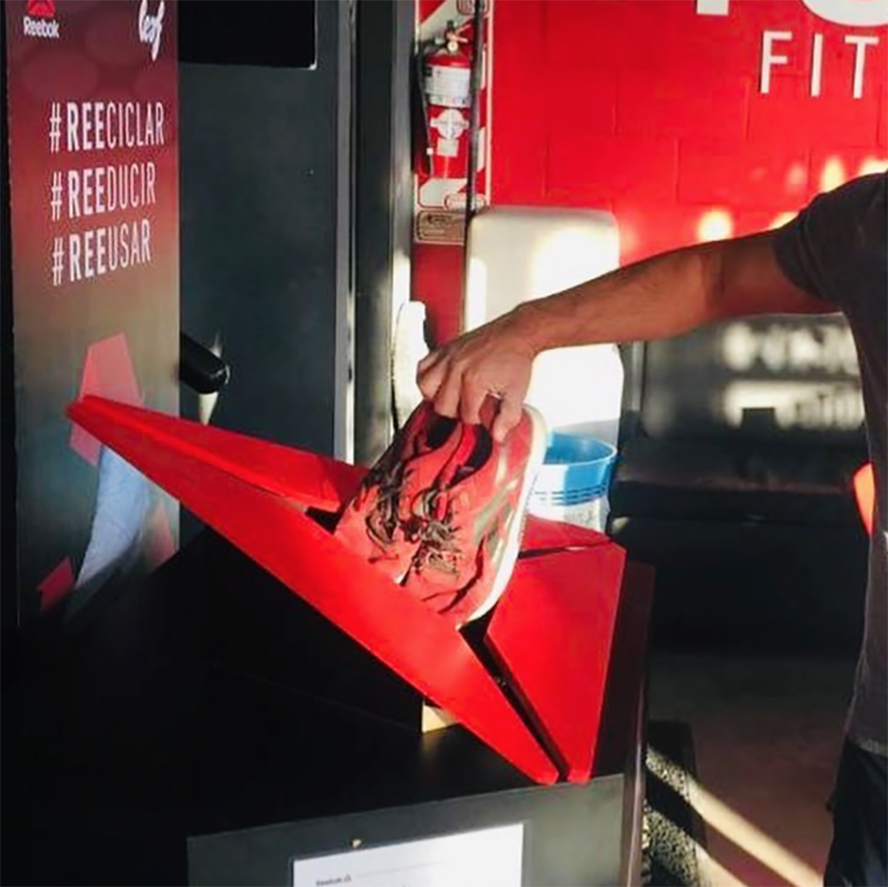
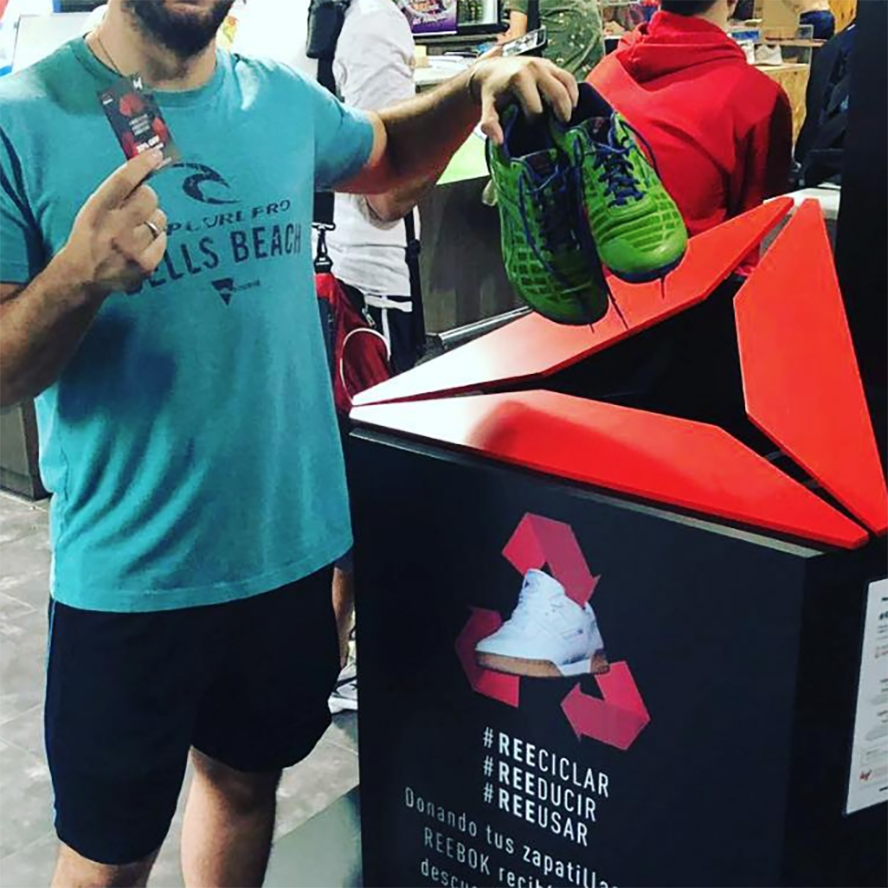
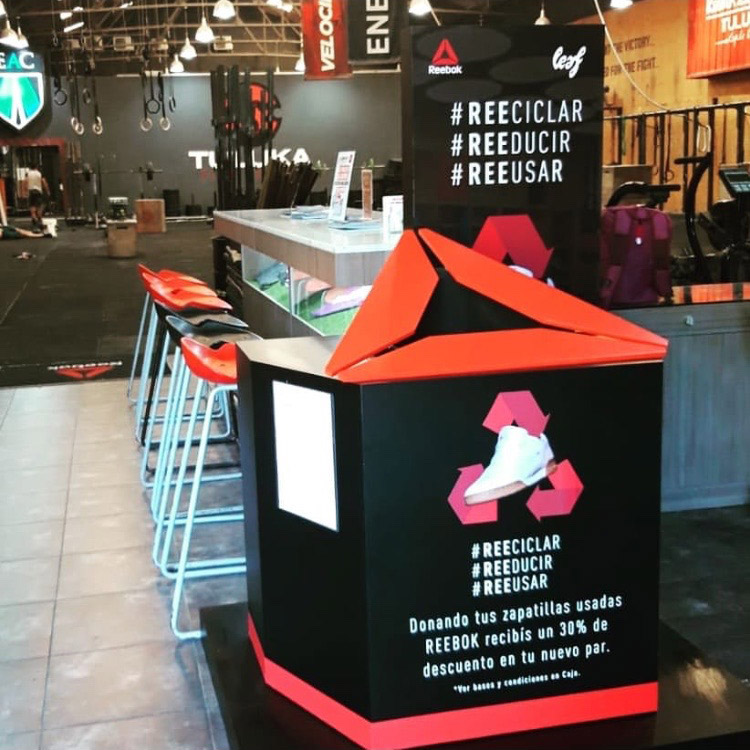
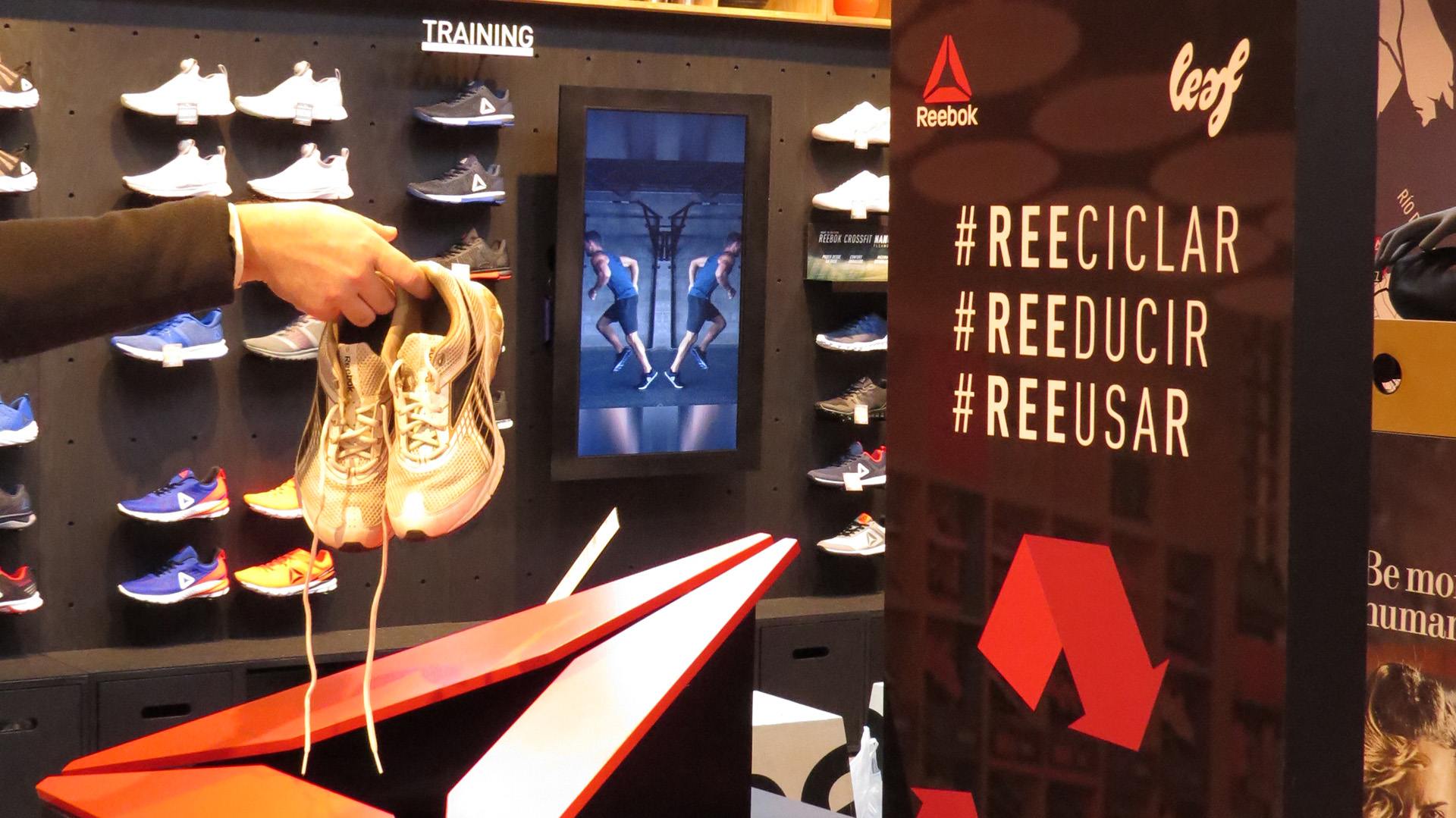
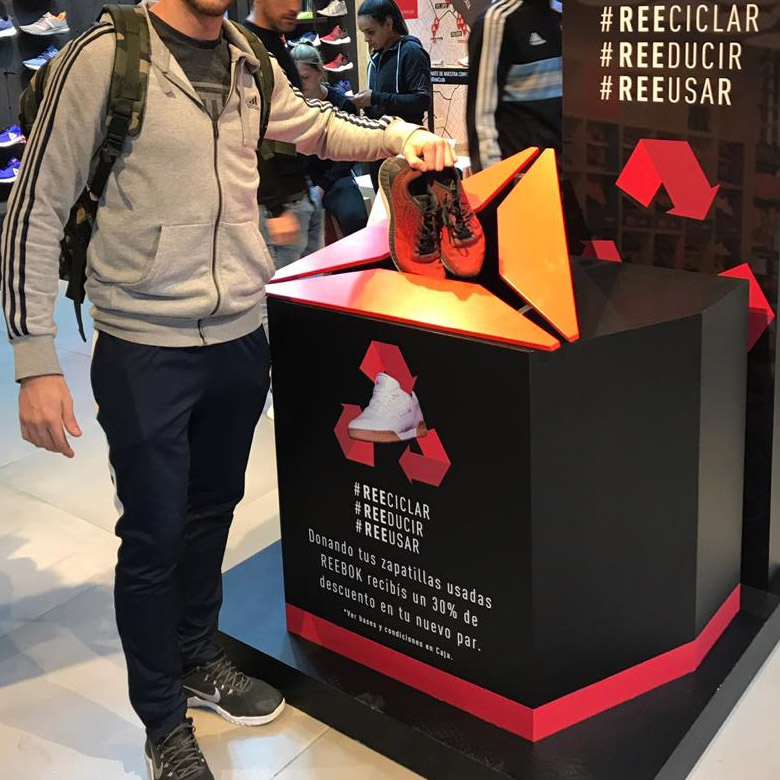
Collection bins were placed across Reebok stores, with several CrossFit gyms joining as partners.

Case study · Sportswear · Argentina
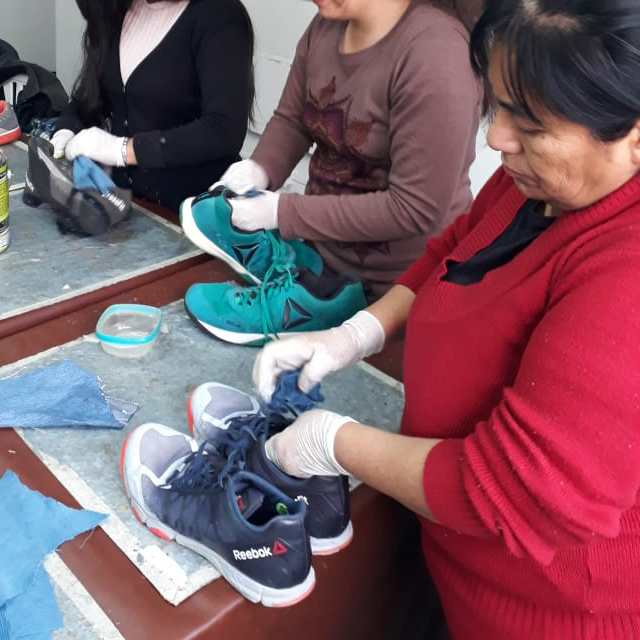
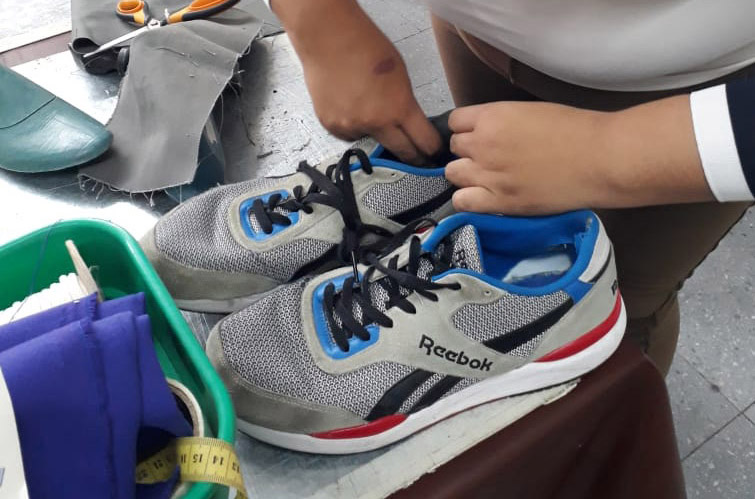
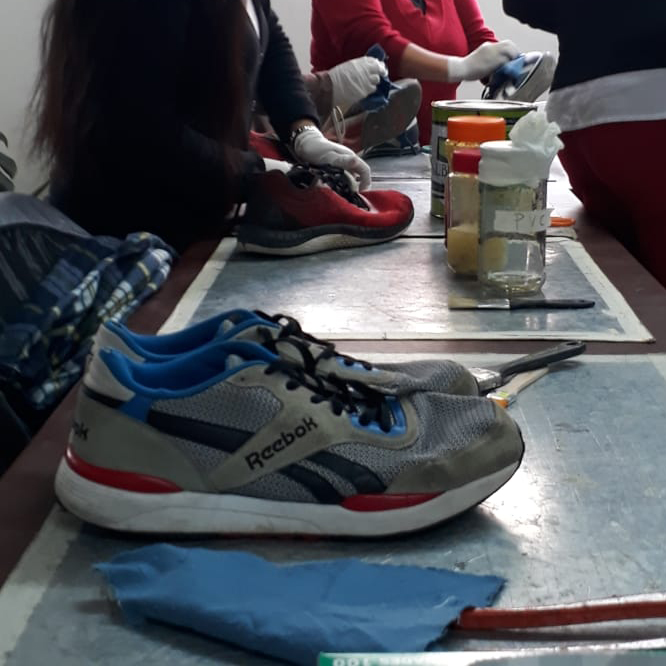
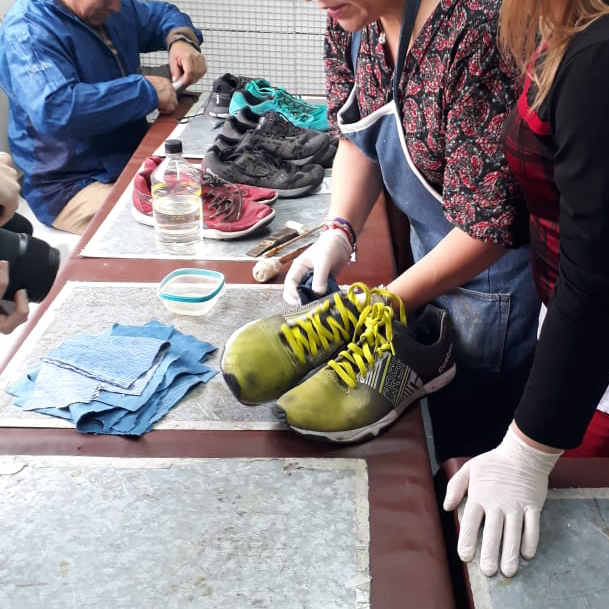
The trainers had already carried their owners through workouts and everyday life. Brought back to Reebok stores and partner gyms, they were repaired and returned to use on new feet.
01 · Challenge
Trainers do not sit in a warehouse waiting to be collected. They are in people's homes, one pair at a time, and no logistics chain reaches them.
The problem was never the material. It was the collection point, and the reason for someone to walk it there.
02 · Strategy
A discount is a reason. A gym is a place. Together they are a collection network.
Collection bins were placed across Reebok stores, with several CrossFit gyms joining as partners.
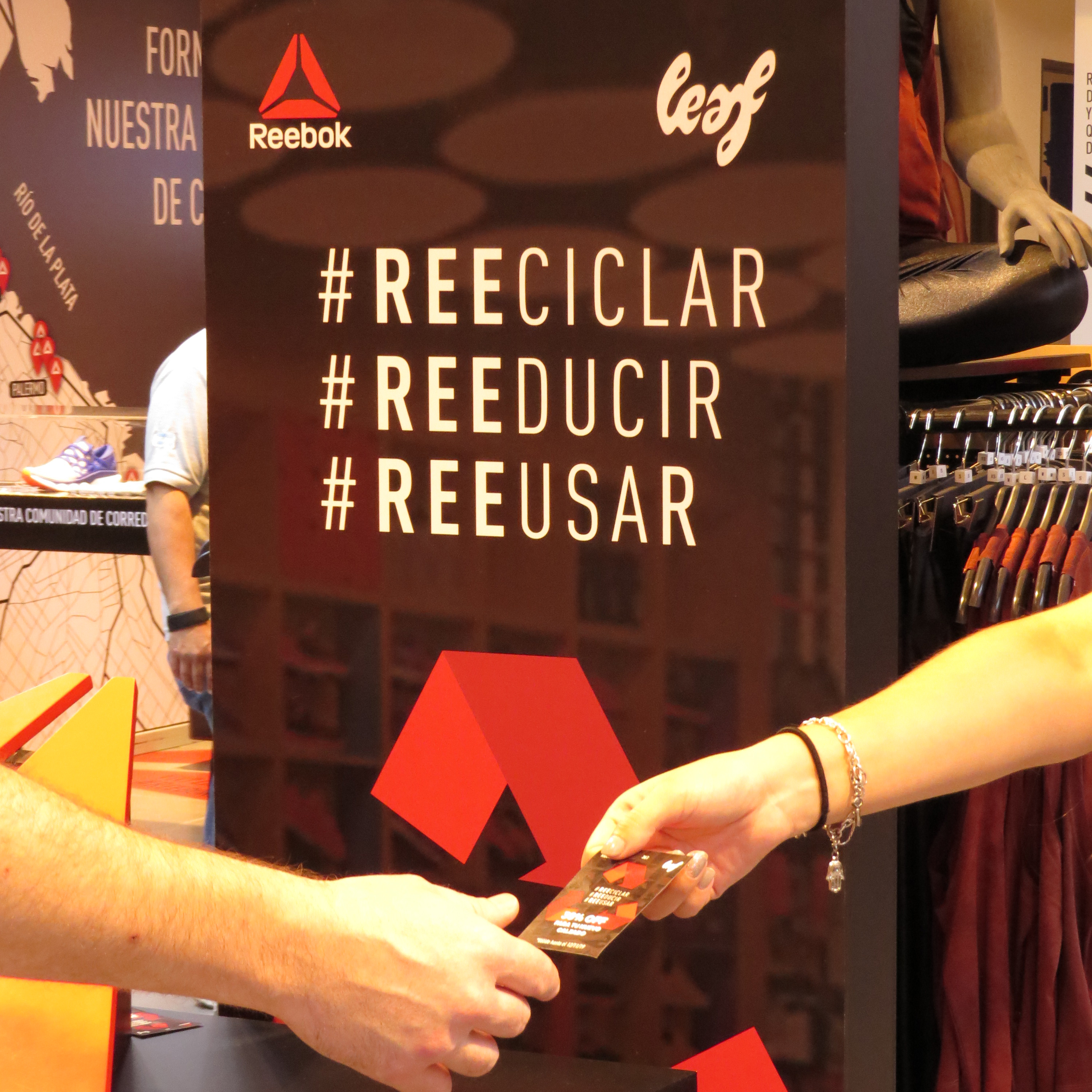
Leaving a pair earned a discount towards the next one, which turns a good intention into a transaction people complete.
It is about changing the story of the material and the people behind it: shoes collected from the people who wore them, repaired and donated to people experiencing homelessness.
03 · Process
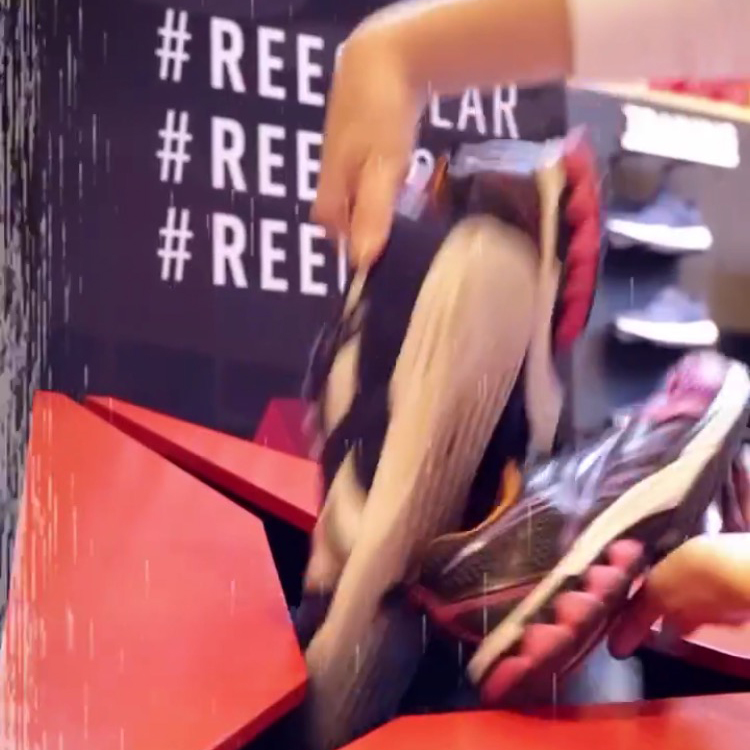
Shoes left at a totem by the person who wore them, then repaired rather than shredded.
04 · Evidence
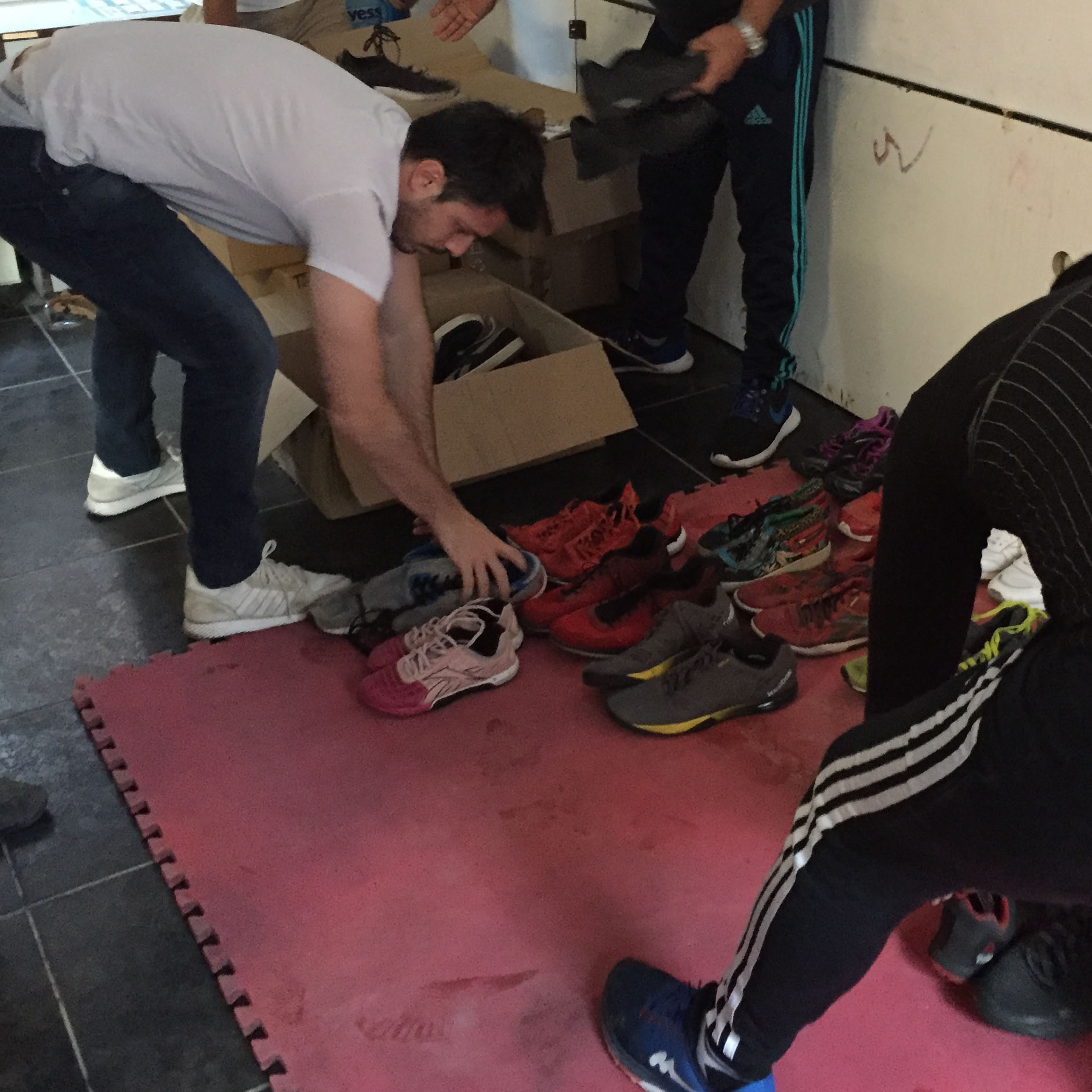
Shoes collected through store and gym totems, then repaired, restored and donated; 62 m² of material recorded in the case.
The figures in this case are checked and the record is managed by REZET Hub.
Totems installed in stores and partner gyms.
Each pair checked for repair or transformation.
Repaired and restored where possible.
Donated to people experiencing homelessness.
Behind each of these figures there are families. The people who cut and sew in these workshops are not a line in our metrics: they are heads of family who have come through hard circumstances, and paid, skilled work is what lets them be the ones who provide.
05 · Outcome
For the “Reeciclar, Reeducir, Reeusar” campaign, collection totems were placed in Reebok stores and partner CrossFit gyms. Athletes left their old shoes, received a discount towards a new pair, and the collected footwear was repaired, restored and donated. Made by 19 people in social impact workshops.
Why repurpose























Start a circular programme
Tell us what you have and what outcome you need. We will assess the stream before you commit to scale.
Request a waste assessment