Start at source
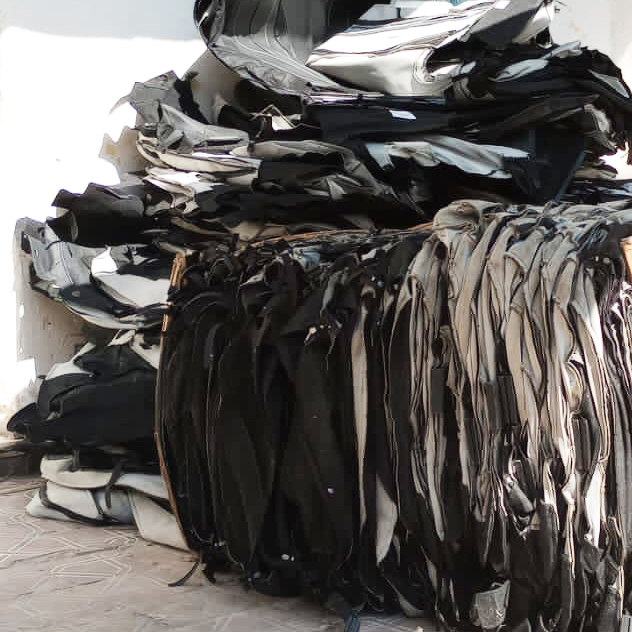
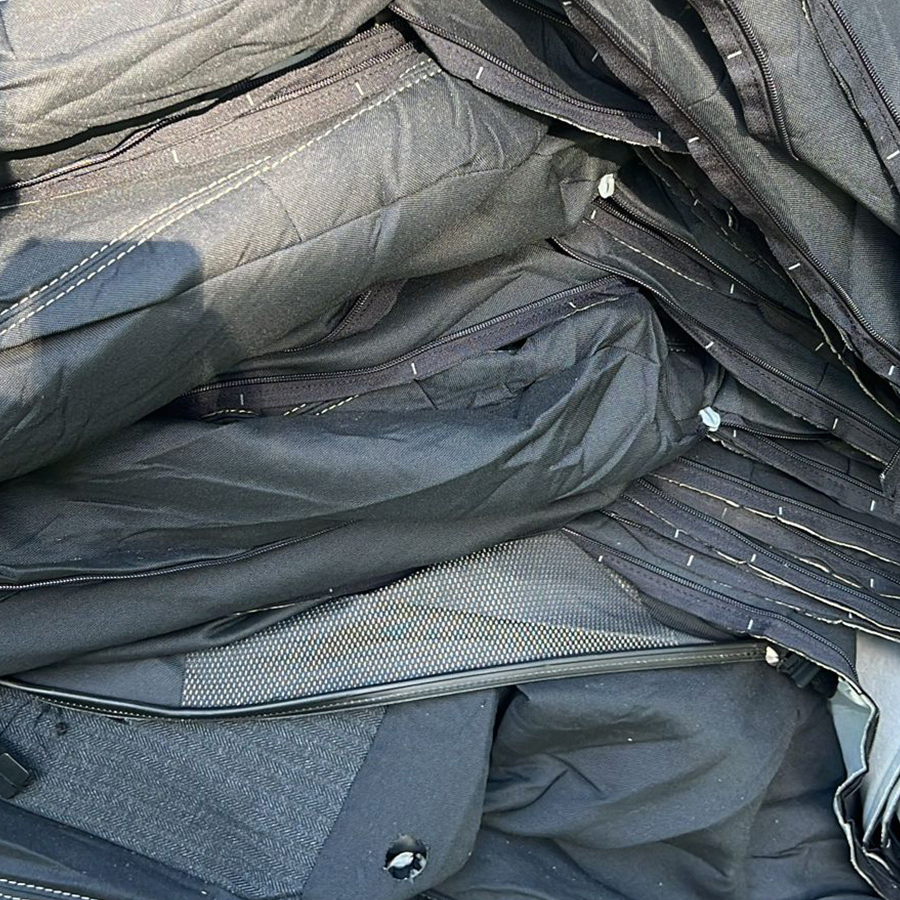
Automotive upholstery was identified, weighed, measured and dropped off as a defined batch.

Case study · Automotive · Argentina
The upholstery came to us as a question mark. Transformed into complete asado sets, it returns as something original, unique to the brand and genuinely worth keeping.
01 · Challenge
A responsible destination for automotive upholstery — one that could preserve material value and produce evidence strong enough for internal reporting.
The challenge was not simply to remove waste. It was to connect collection, transformation and delivery in one accountable programme.
02 · Strategy
Mercedes-Benz invested in transforming the material rather than paying for its disposal, putting the budget into craftsmanship, durability and a product with genuine material value.
Automotive upholstery was identified, weighed, measured and dropped off as a defined batch.
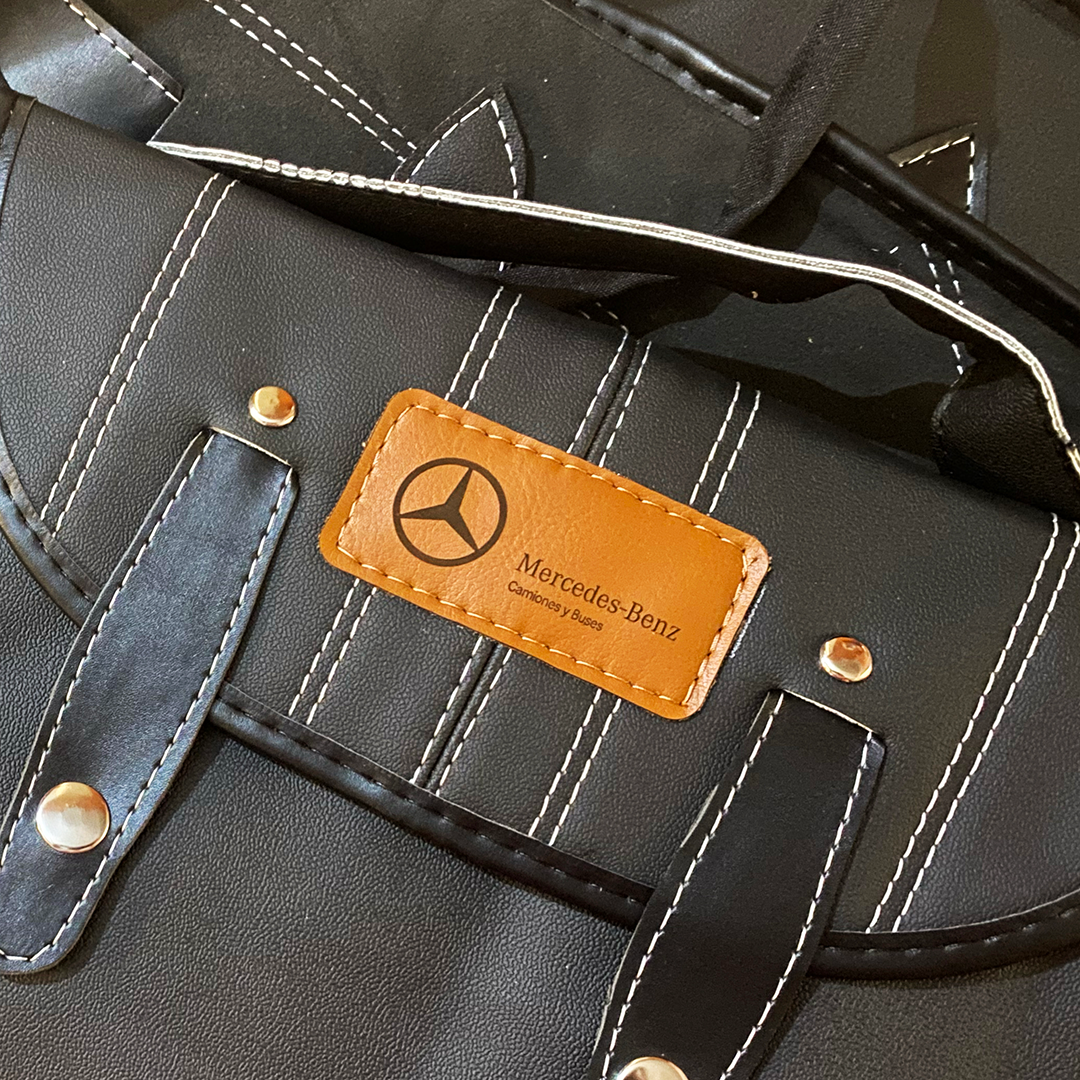
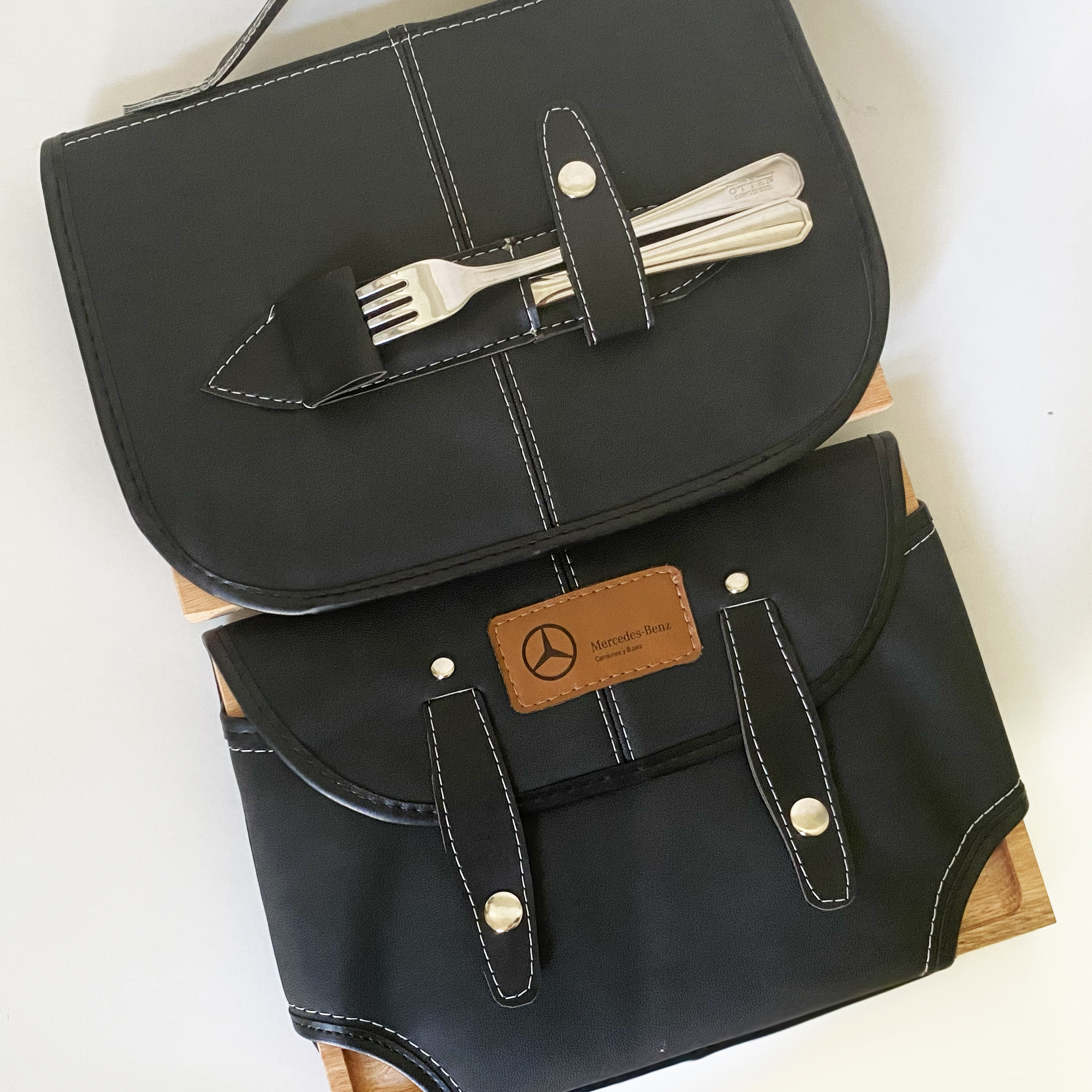
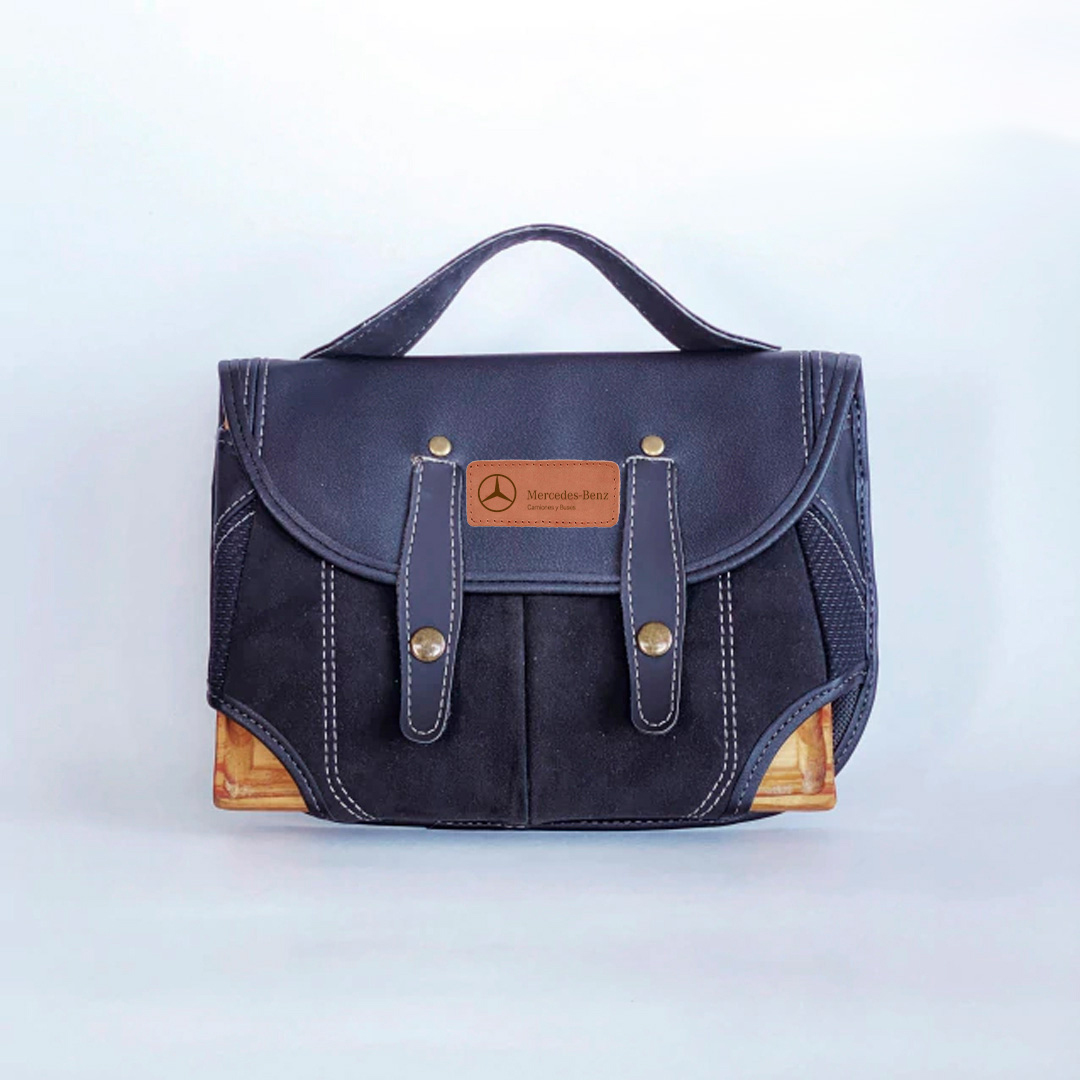
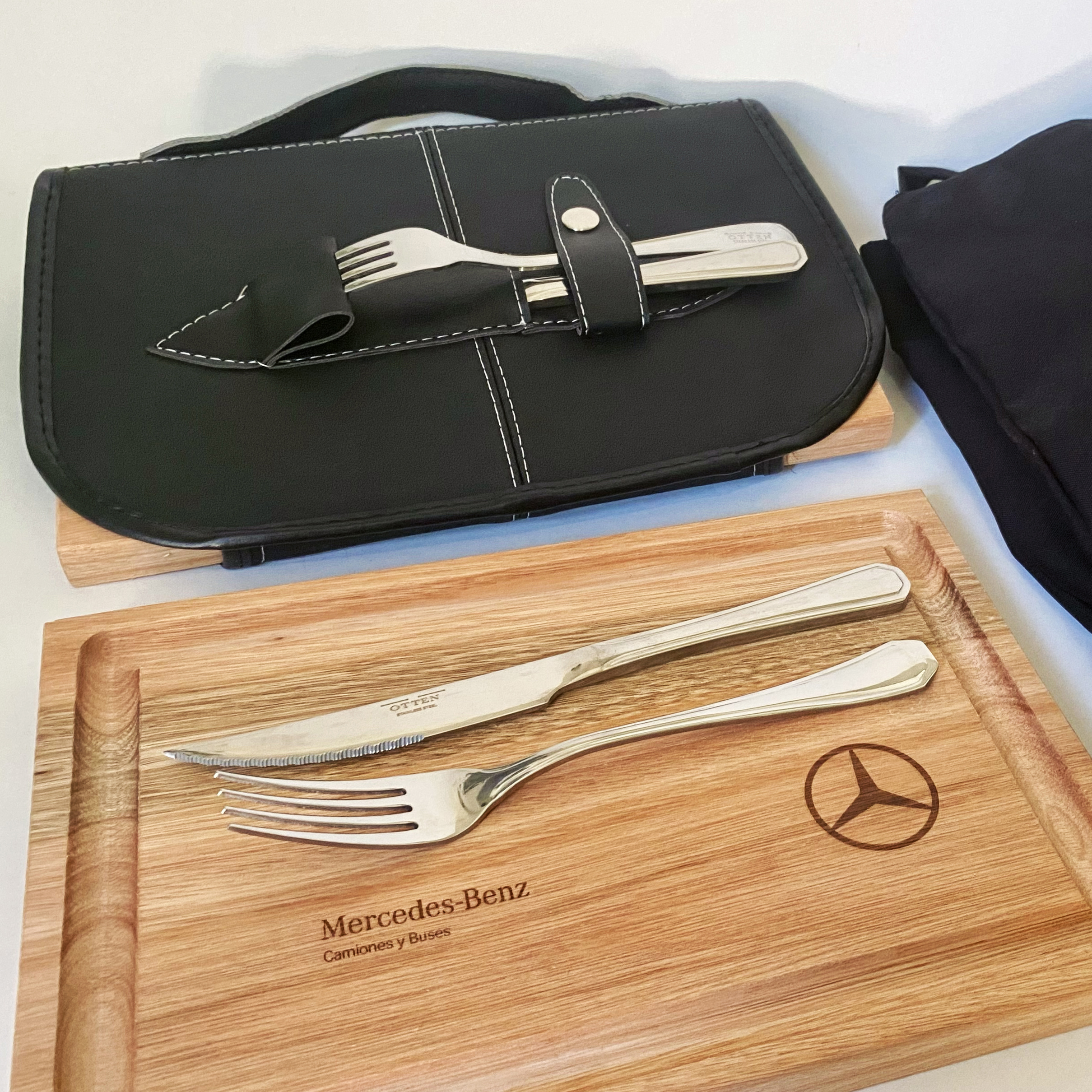
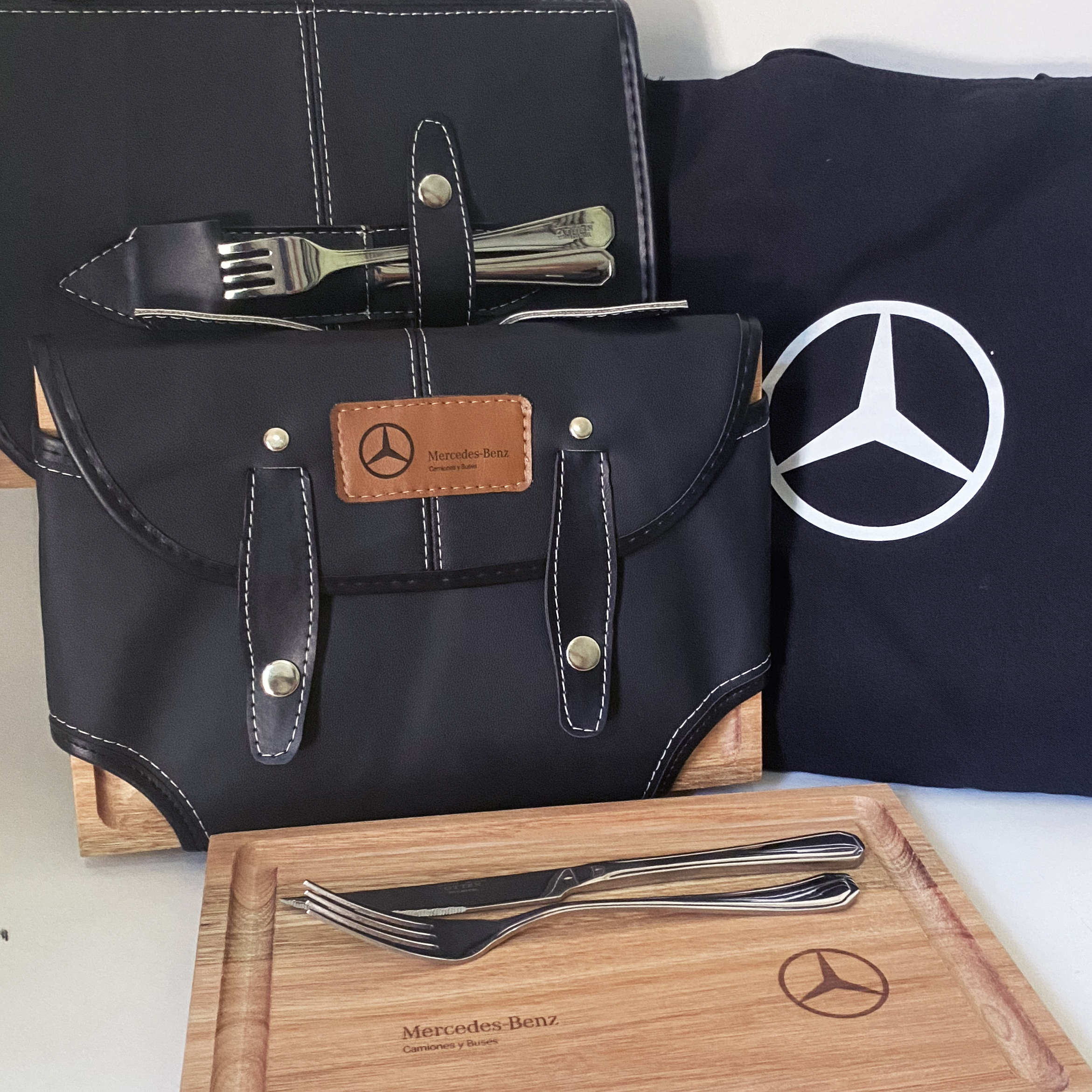
They did not want the same corporate merchandise everybody else hands out. They wanted something original, unique to the brand and genuinely worth keeping. The material became complete asado grill sets: cutlery, a wooden cutting board and a durable tote bag.
It is about changing the story of the material and the people behind it: upholstery from the warehouse, followed at every step and returned as asado sets, with its record already closed.
03 · Process
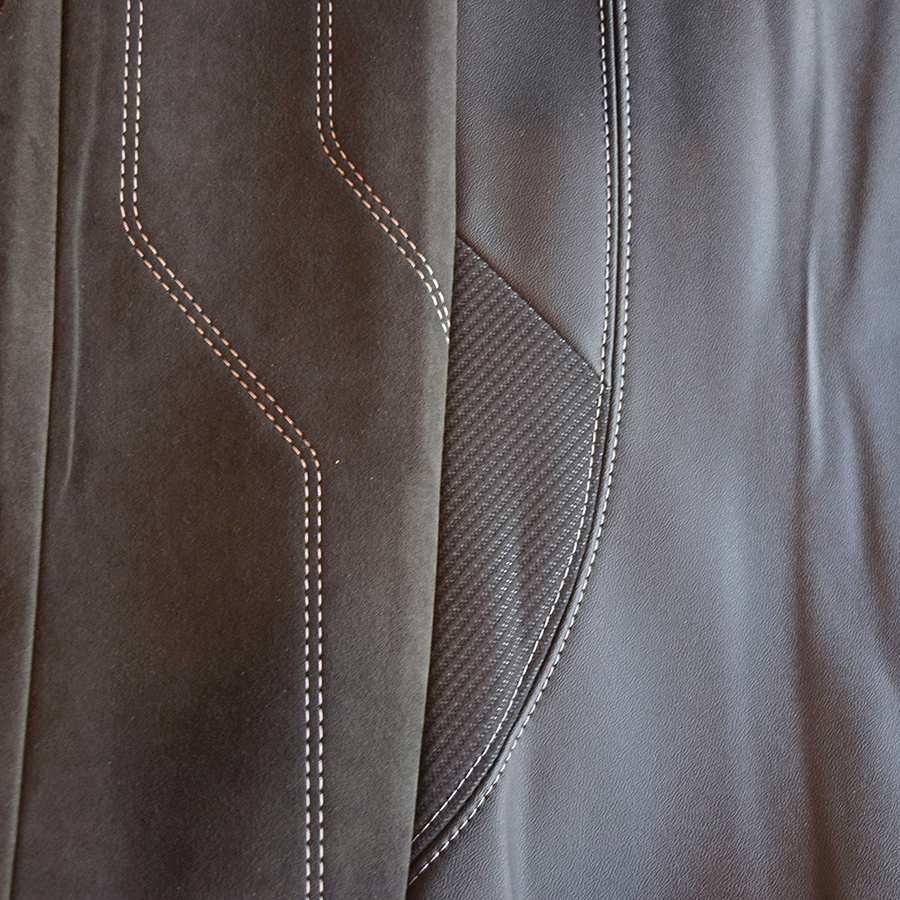
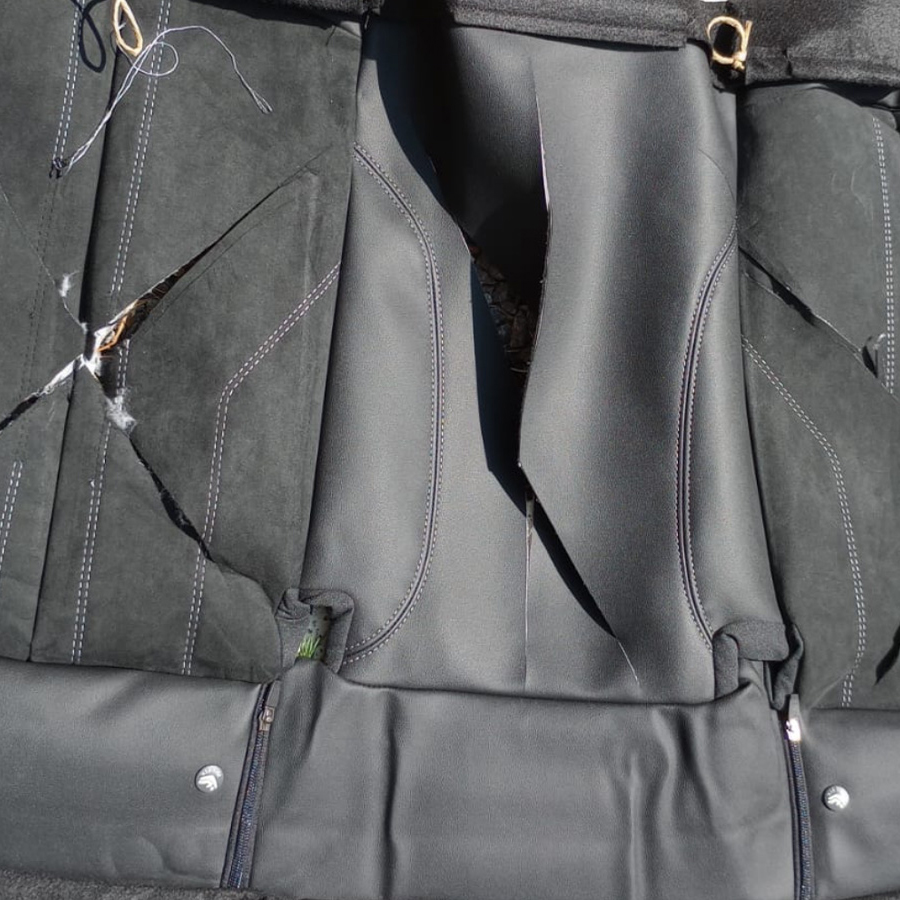
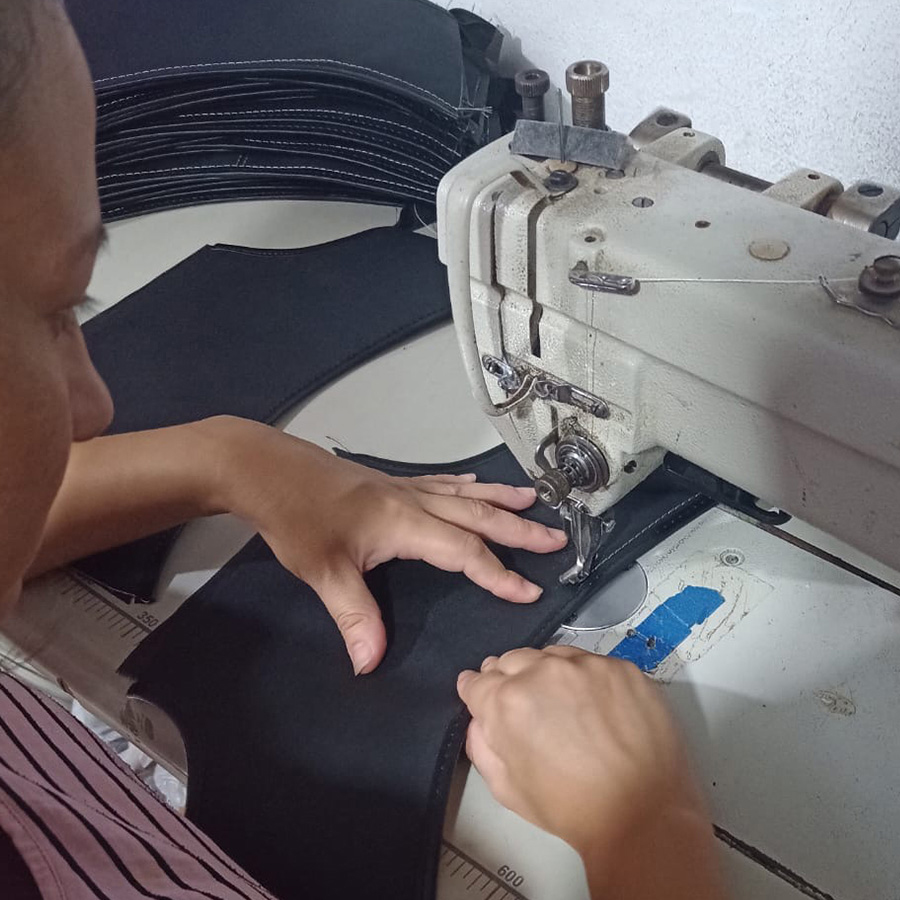
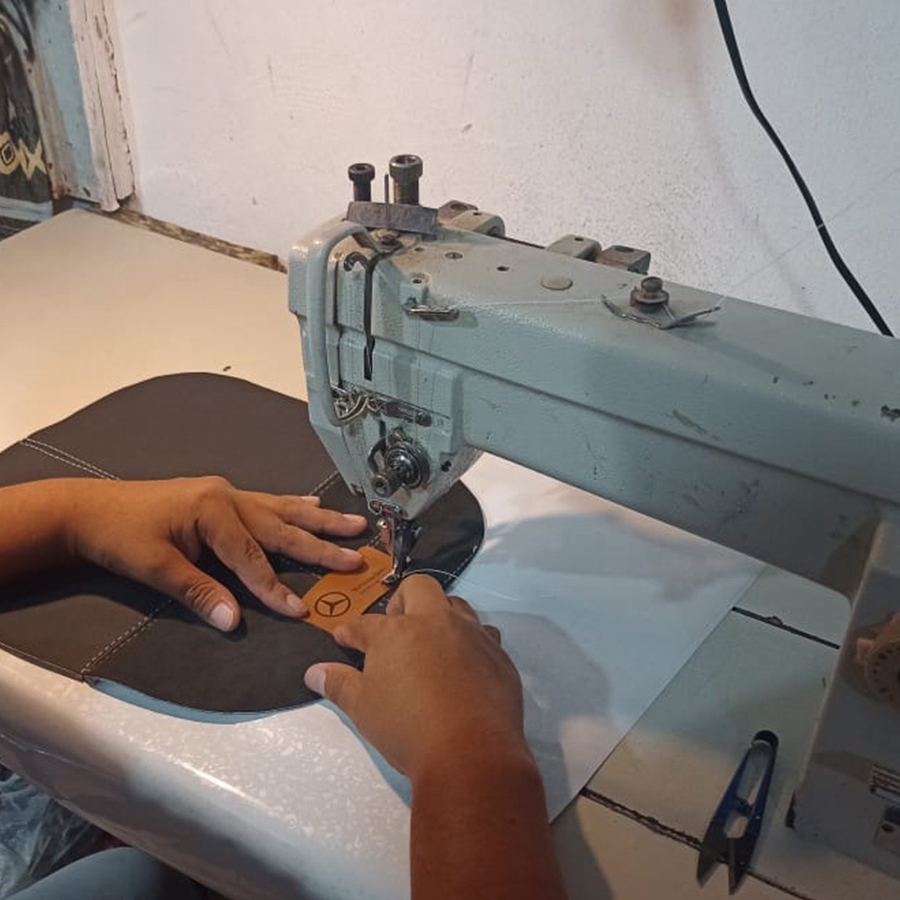
It is not about hiding the material or recycling it until it becomes unrecognisable. The material is the value. With creativity, innovation and a trained eye, what others see as waste can be recognised for what it still has to offer, then redesigned around a new purpose without losing the story of where it came from.
04 · Evidence
112 m² of automotive upholstery recovered, 107.2 m² diverted from landfill and 155 complete asado sets delivered.
The figures in this case are checked and the record is managed by REZET Hub.
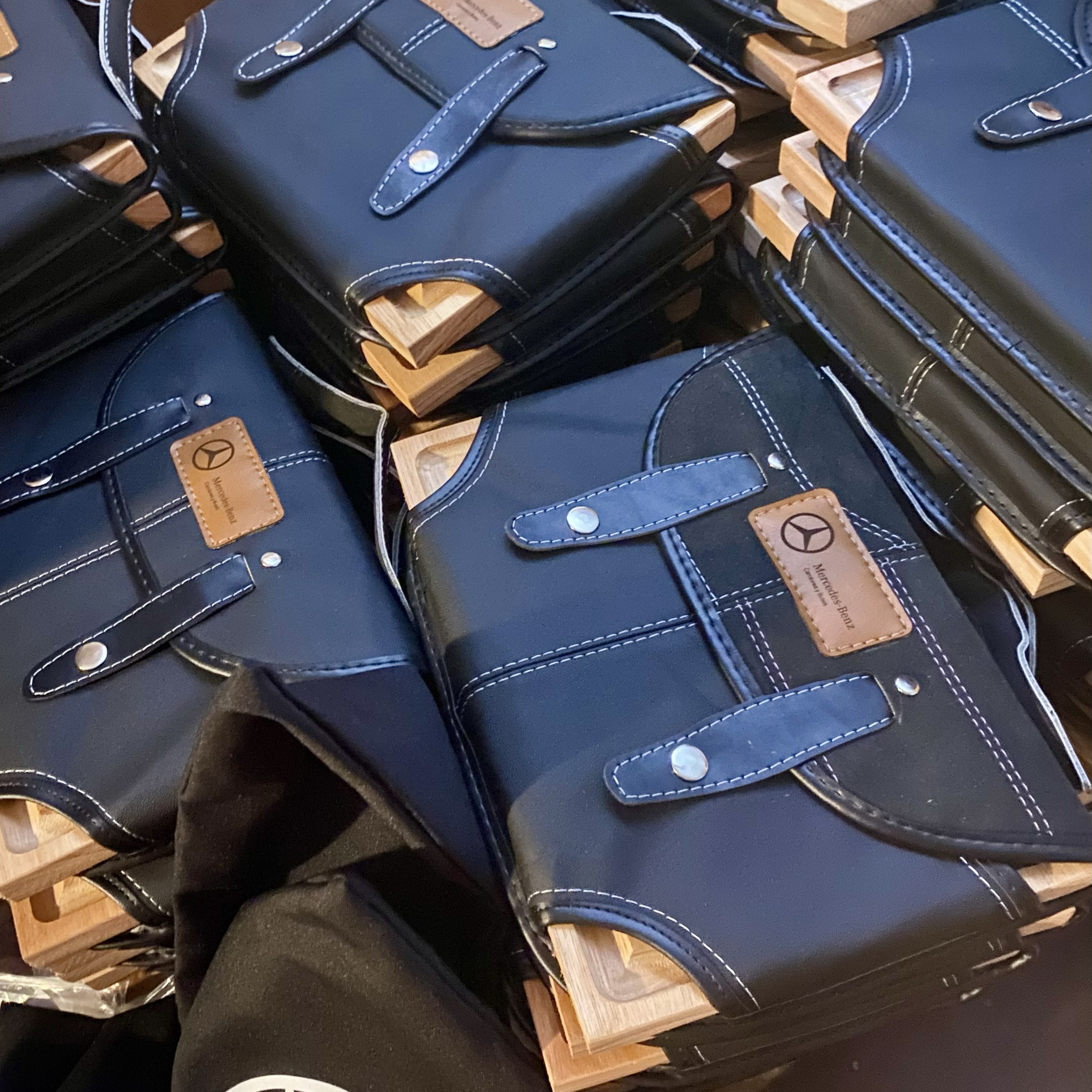
The batch starts at the warehouse: the upholstery was weighed and measured on arrival, setting the baseline for everything it would become.
Every finished set is reconciled against the recorded input, so each one traces back to the batch it came from.
107.2 of the 112 m² were diverted from landfill. The remaining 4.8 m² are recorded, not left out of the figure.
155 sets cut and sewn by 5 people. Who made them is part of the result, not left outside the metrics.
Behind each of these figures there are families. The people who cut and sew in these workshops are not a line in our metrics: they are heads of family who have come through hard circumstances, and paid, skilled work is what lets them be the ones who provide.
05 · Outcome
155 complete grill sets, made by 5 people, from 112 m² of automotive upholstery recovered.
Plenty of suppliers can make you merchandise. Others can audit your waste. No one hands you both in the same object: something original, made from the brand’s own discarded material, that arrives with its record already closed — opened at collection, signed at every handoff, reconciled against the input.
Why repurpose























Start a circular programme
Tell us what you have and what outcome you need. We will assess the stream before you commit to scale.
Request a waste assessment