Three streams, one launch
55 m² of banners, 525 m² of silobags and 45 m² of textiles, each measured before cutting.

Case study · Automotive · Argentina
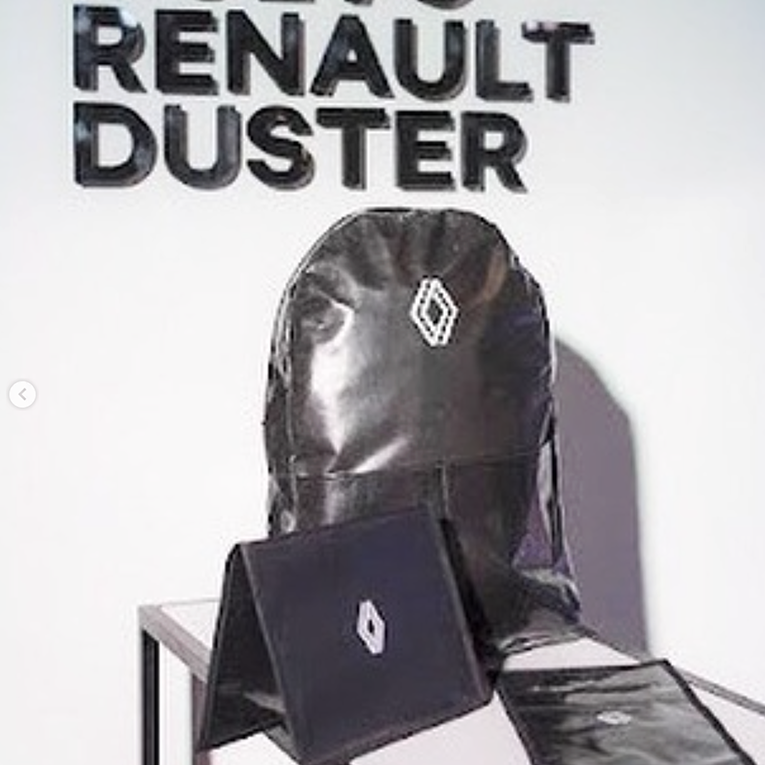
The banners, silobags and textiles were part of the Duster launch. Transformed into travel bags and in-car storage, backpacks and study kits for Renault’s volunteer mission.
01 · Challenge
Banners, stands and signage exist for the event. Once the launch is over they become technical fabric with an expired message, in quantity and all at once.
The harder question was what happens after the launch, when the campaign budget closes and the material keeps arriving.
02 · Strategy
Renault invested in transforming the material rather than paying for its disposal, putting the budget into craftsmanship, durability and a product with genuine material value.
55 m² of banners, 525 m² of silobags and 45 m² of textiles, each measured before cutting.
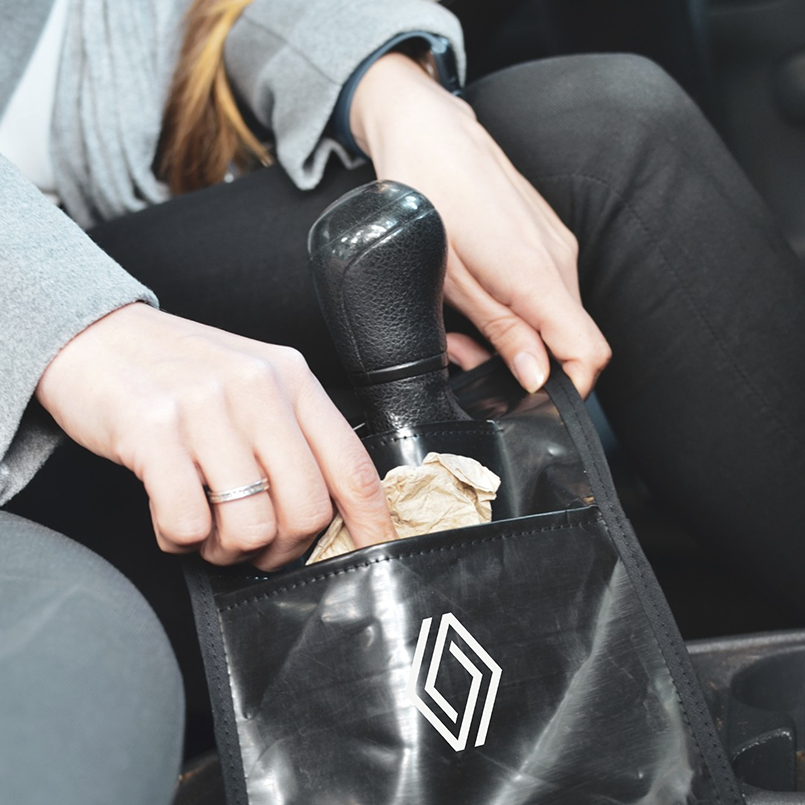
Travel bags and in-car storage are used by the person who bought the vehicle, which keeps the material in circulation.
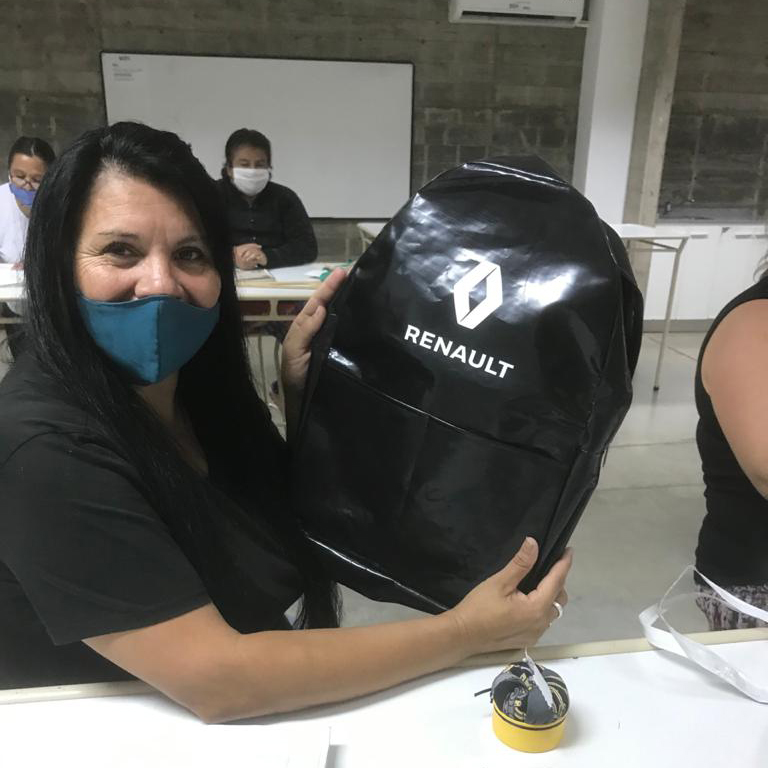
It is about changing the story of the material and the people behind it: material from a launch that went on to support vocational training for women in vulnerable situations, through Renault’s volunteer mission.
03 · Process
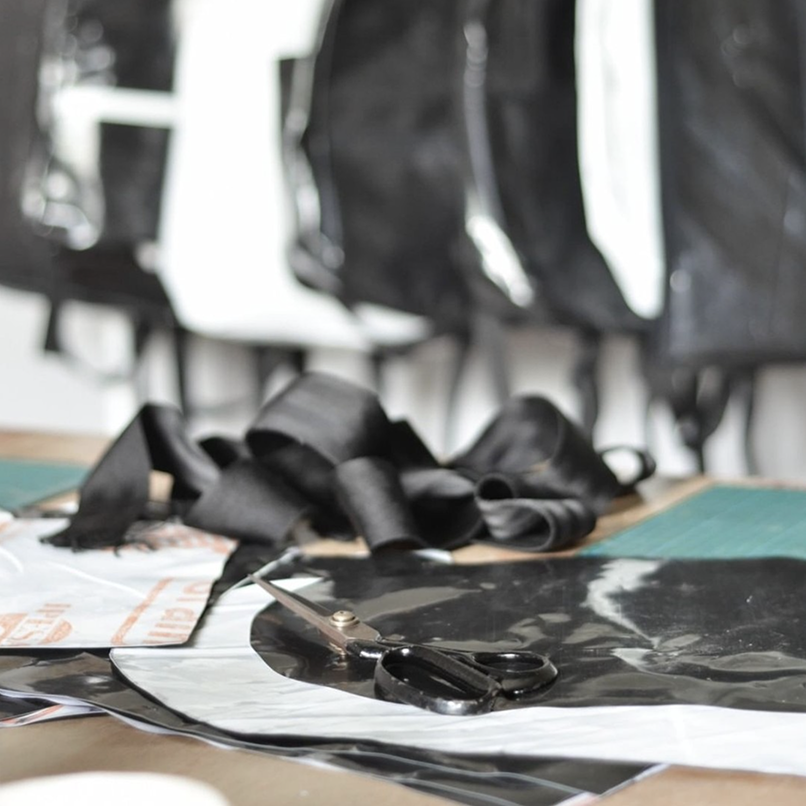
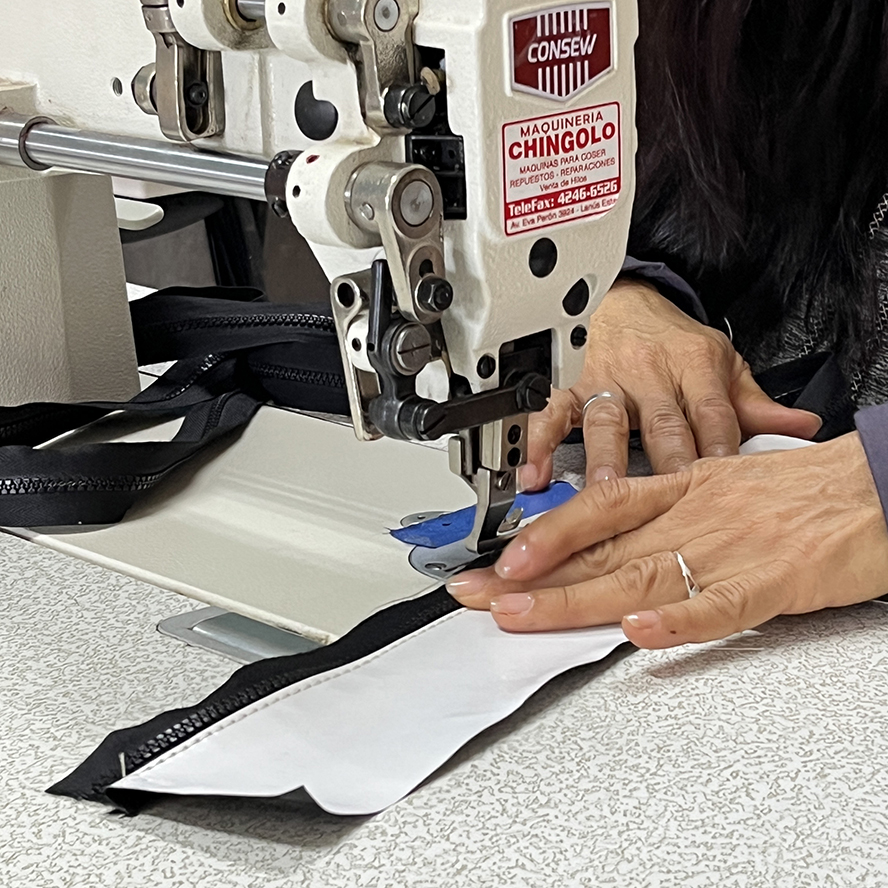
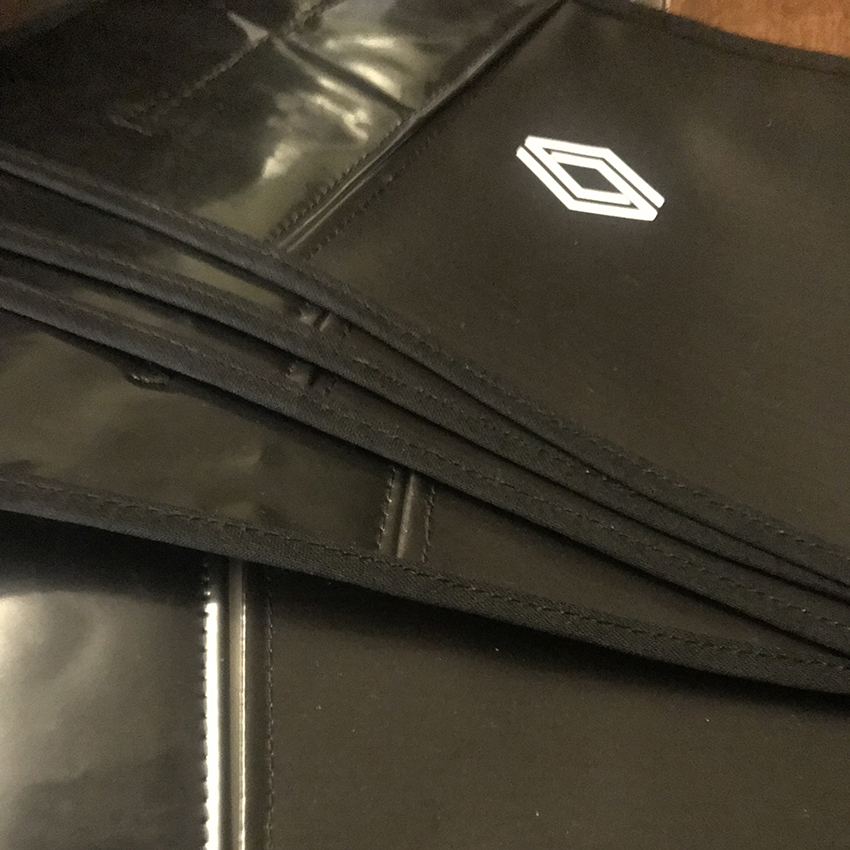
It is not about hiding the material or recycling it until it becomes unrecognisable. The material is the value. With creativity, innovation and a trained eye, what others see as waste can be recognised for what it still has to offer, then redesigned around a new purpose without losing the story of where it came from.
04 · Evidence
625 m² recovered across three streams for the Duster launch, and a further production run for the volunteer programme.
The figures in this case are checked and the record is managed by REZET Hub.
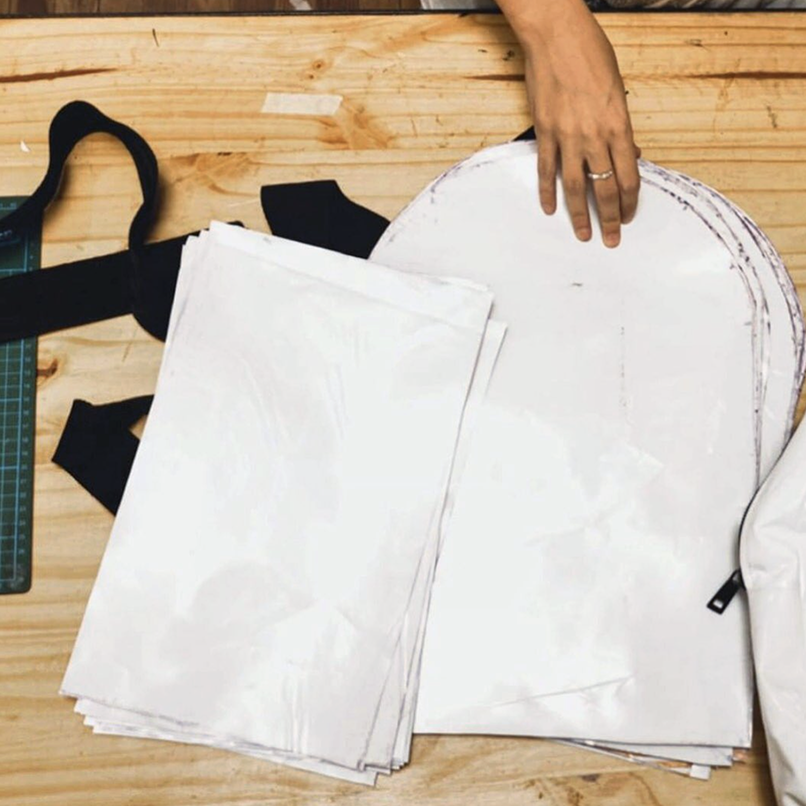
Banners, silobags and textiles collected as the event closes, when campaign material becomes waste in quantity and all at once.
Each stream recorded separately before cutting, so the launch and the programme that followed can be reported apart.
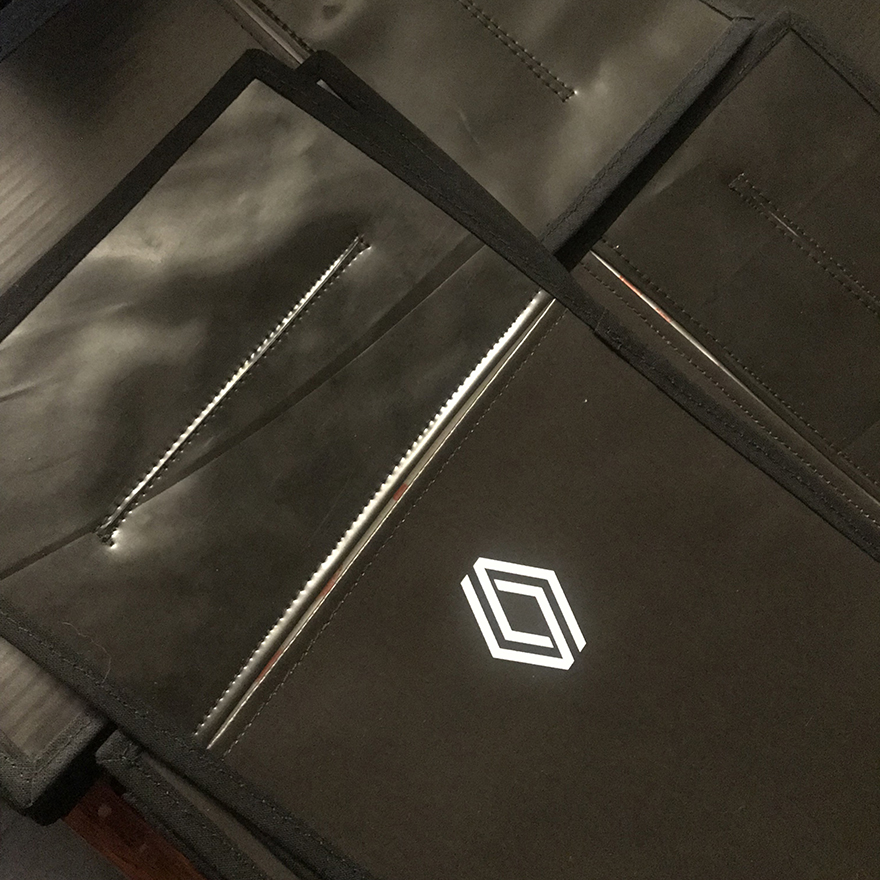
Travel bags and in-car storage are specified around where the material ends up: with the person who bought the vehicle, which is what keeps it in circulation.
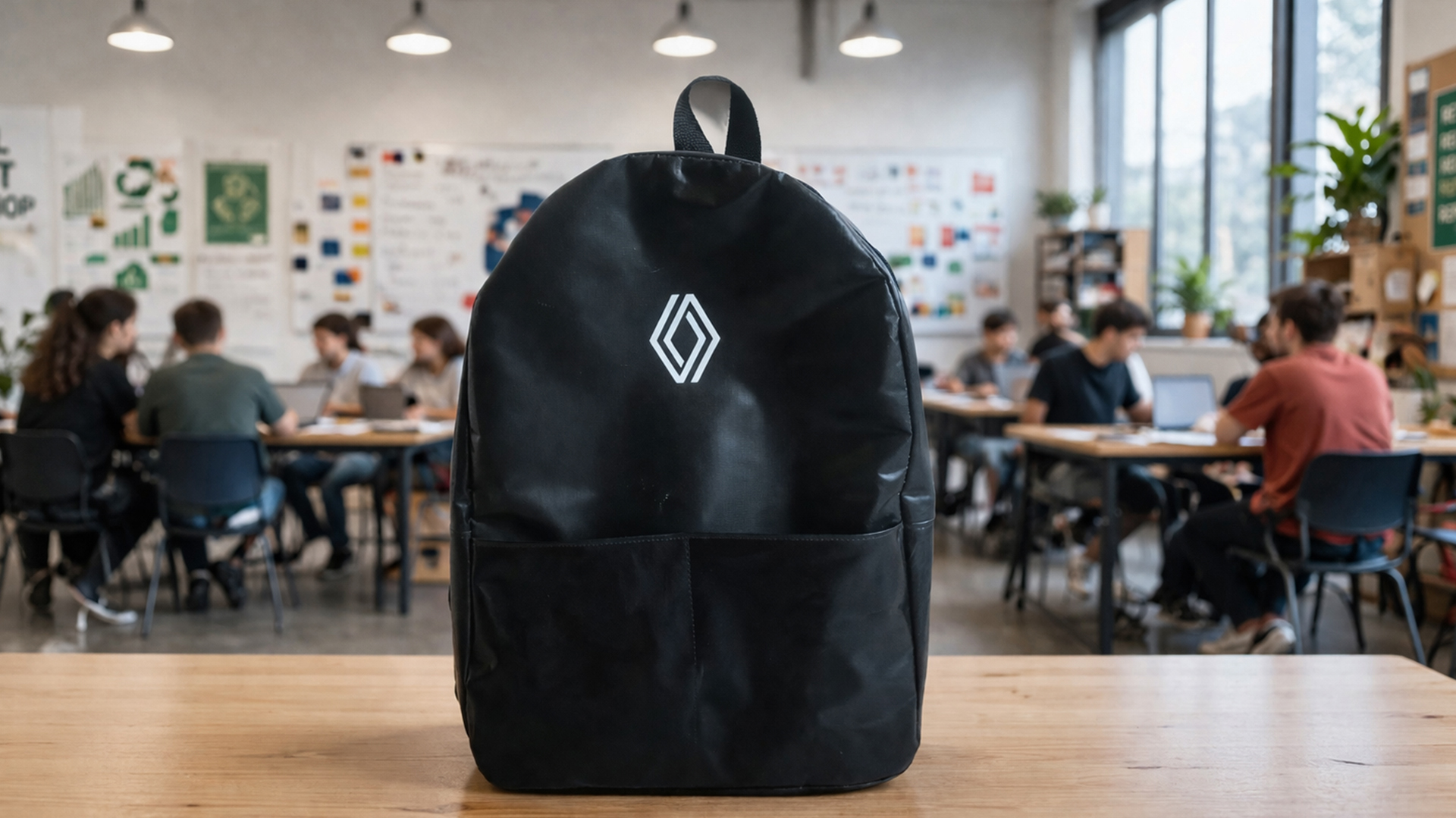
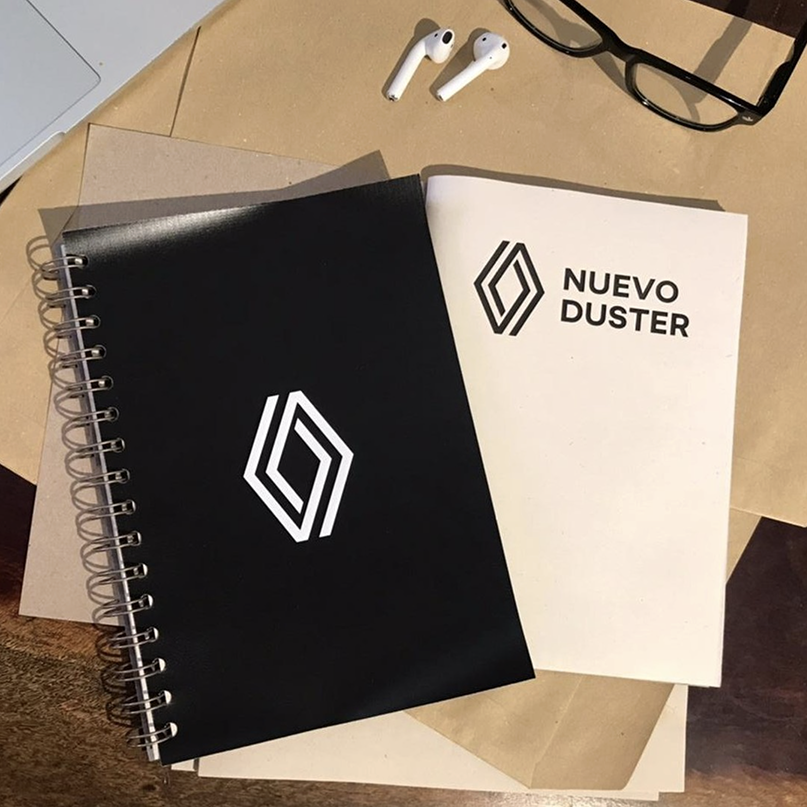
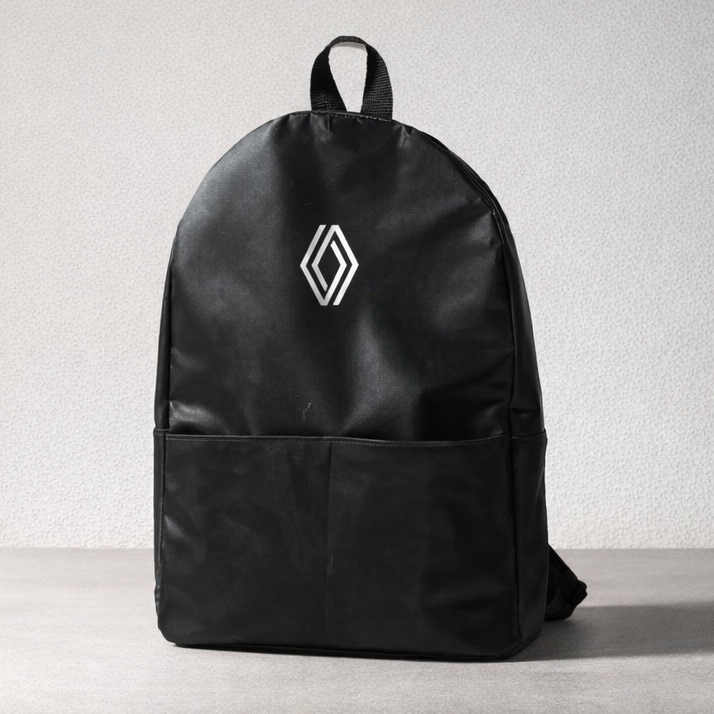
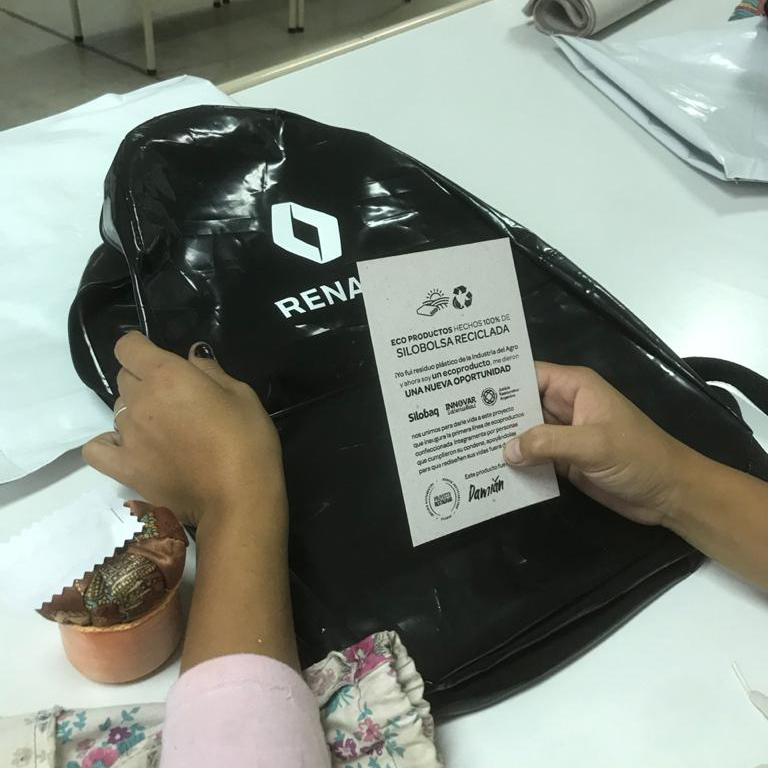
Output reconciled against the recorded inputs, including the backpacks and study kits produced afterwards for the volunteer programme — the part no launch budget usually records.
Behind each of these figures there are families. The people who cut and sew in these workshops are not a line in our metrics: they are heads of family who have come through hard circumstances, and paid, skilled work is what lets them be the ones who provide.
05 · Outcome
For the launch of the Renault Duster, 55 m² of promotional banners, 525 m² of silobags and 45 m² of assorted textiles became travel bags, in-car storage and pouches. Beyond the launch, backpacks and study kits were produced for Renault's volunteer mission, supporting vocational training for women in vulnerable situations. Made by 8 people in social impact workshops.
Why repurpose




















Start a circular programme
Tell us what you have and what outcome you need. We will assess the stream before you commit to scale.
Request a waste assessment