Take the whole stream
More than 3,360 m² recovered, mixed as it comes off the line.

Case study · Automotive · Argentina
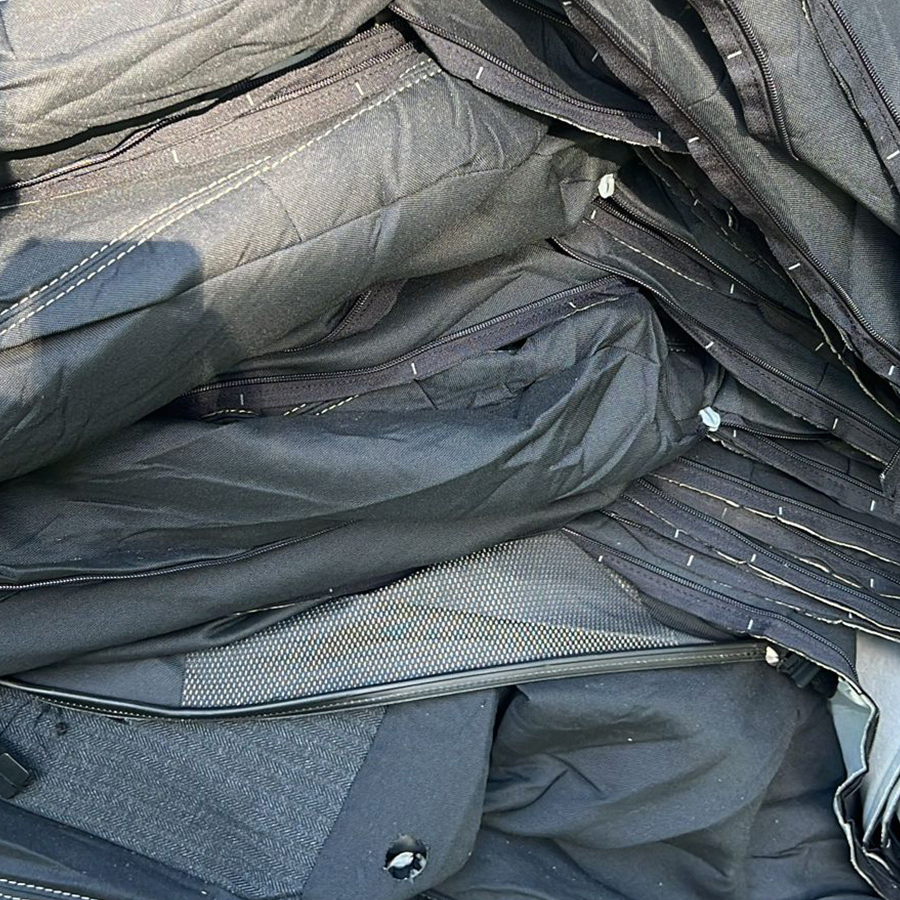
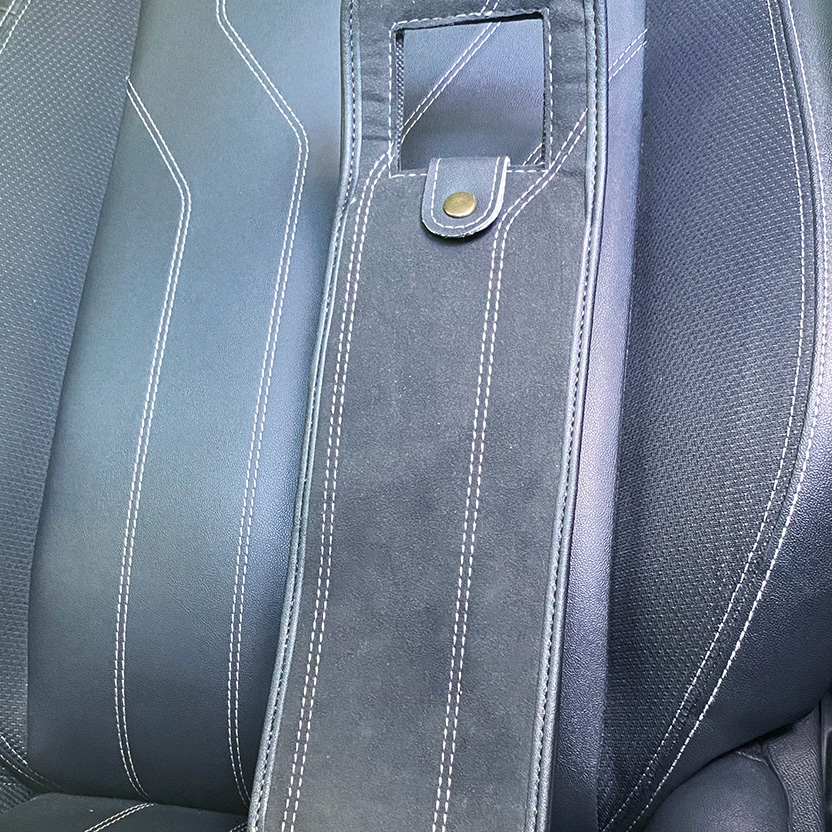
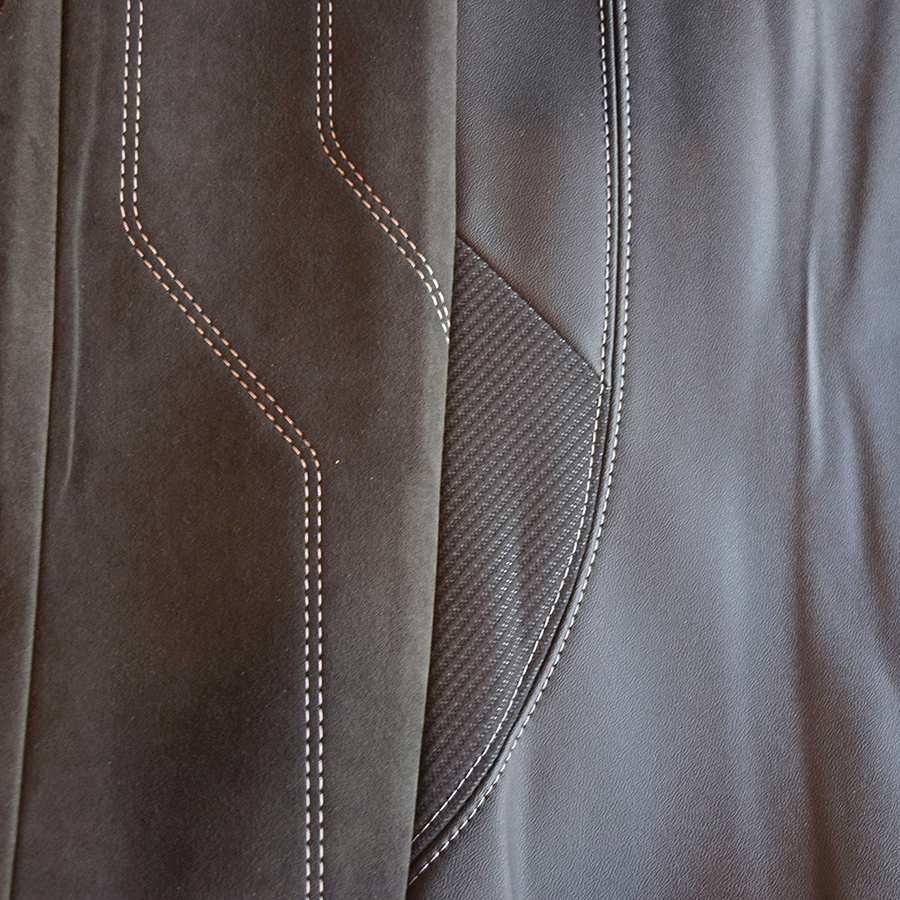
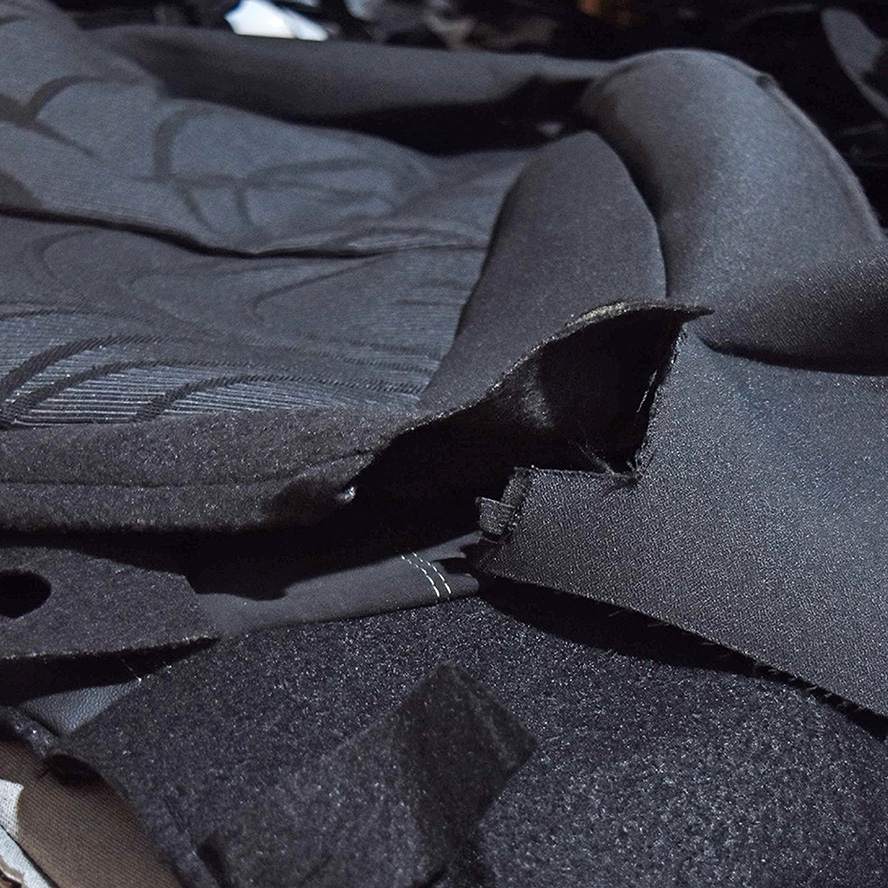
Suede, textile, leather and felt arrive together in Peugeot’s automotive upholstery. Sorted by what each material does best, the mix returned as nine products that could not be made the same way with new cloth.
01 · Challenge
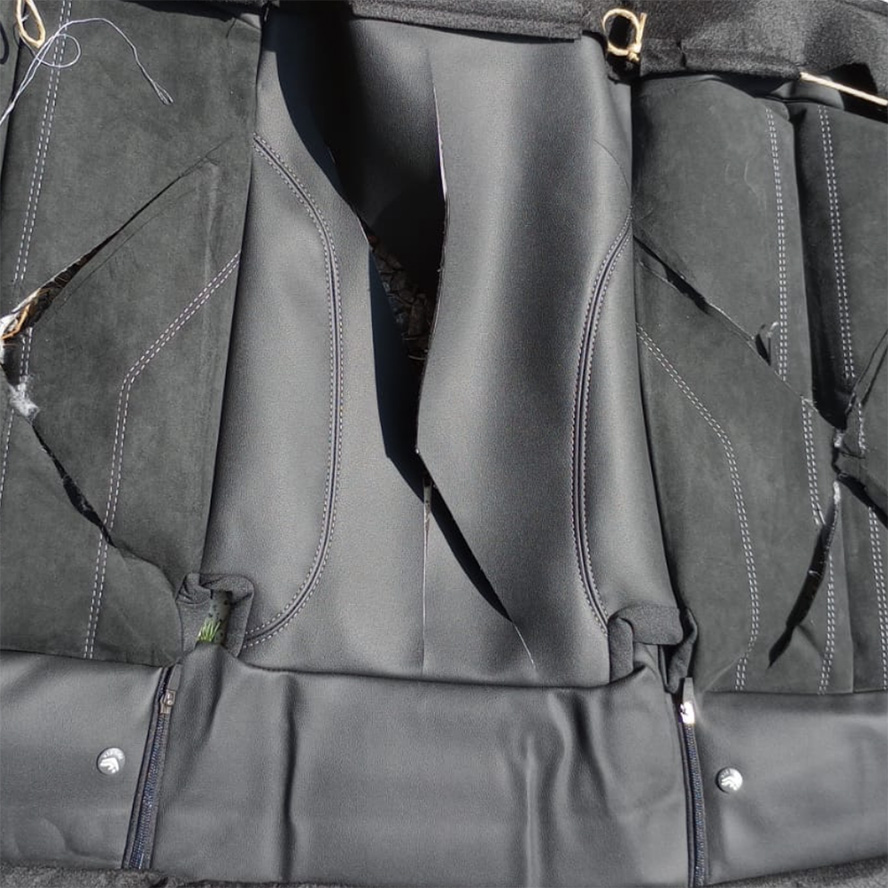
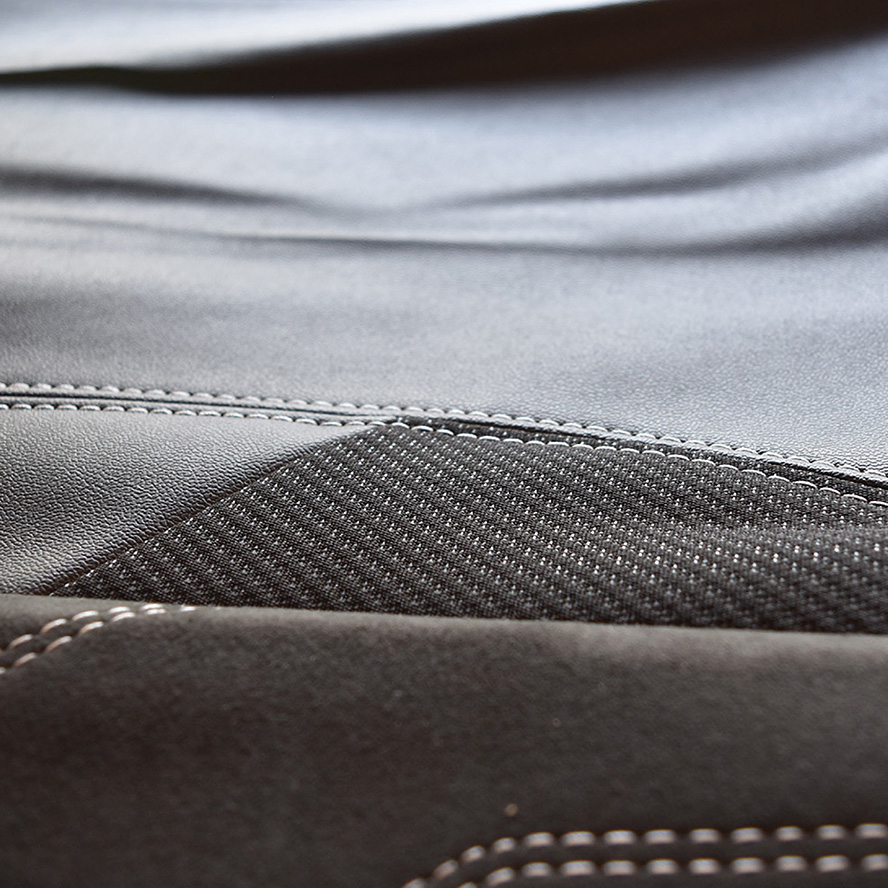
Automotive upholstery is not a fabric. It is suede, textile, leather and felt, each with its own texture, behaviour and combination, arriving together and in volume.
That mixture is what makes it hard to work with, and it is also what makes the output impossible to imitate with new material.
02 · Strategy
Peugeot invested in transforming the material rather than paying for its disposal, putting the budget into craftsmanship, durability and a product with genuine material value.
More than 3,360 m² recovered, mixed as it comes off the line.
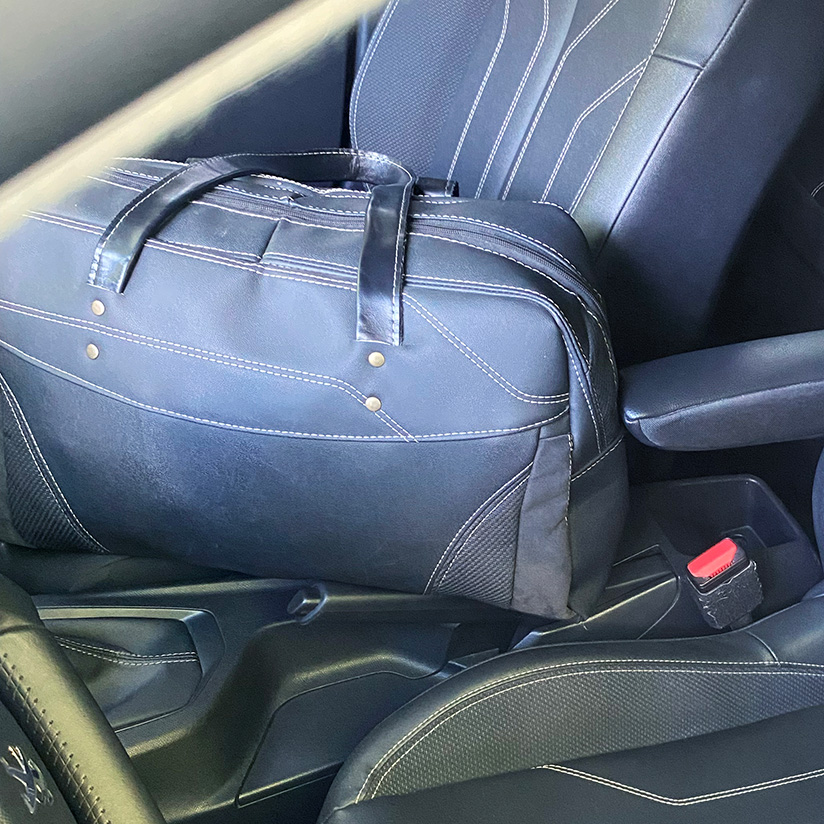
Leather does what felt cannot; suede does what textile cannot. Nine product types is what a mixed stream can honestly support.
It is about changing the story of the material and the people behind it: the systems, design thinking and manufacturing capacity that give a mixed stream a second chance.
03 · Process
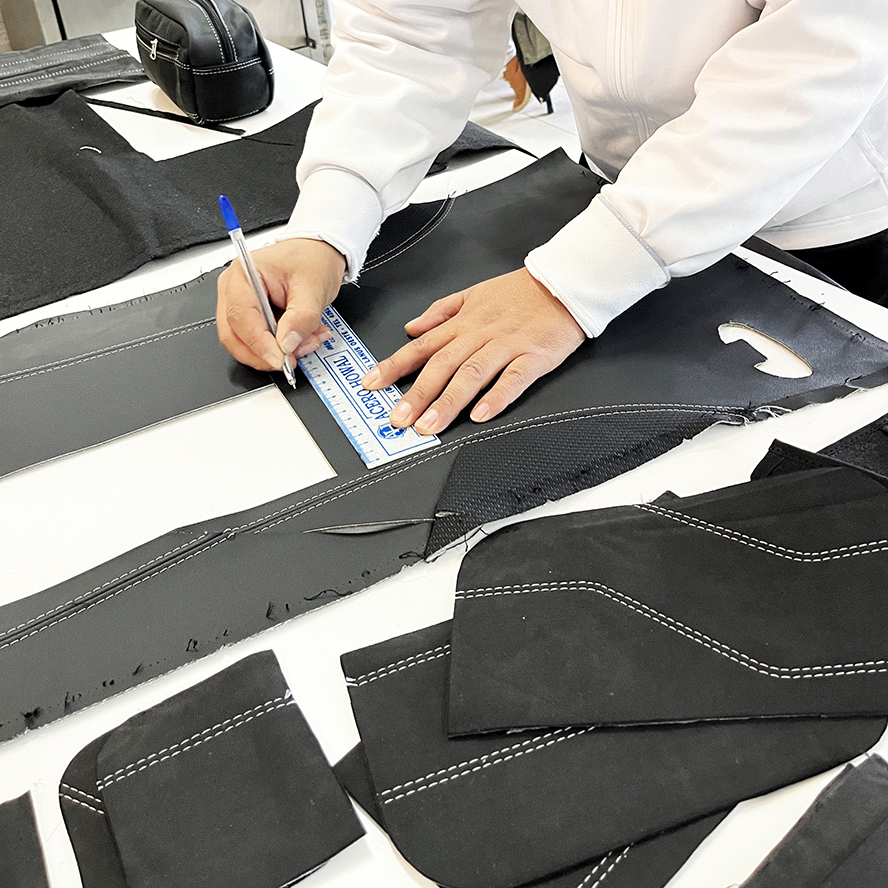
It is not about hiding the material or recycling it until it becomes unrecognisable. The material is the value. With creativity, innovation and a trained eye, what others see as waste can be recognised for what it still has to offer, then redesigned around a new purpose without losing the story of where it came from.
04 · Evidence
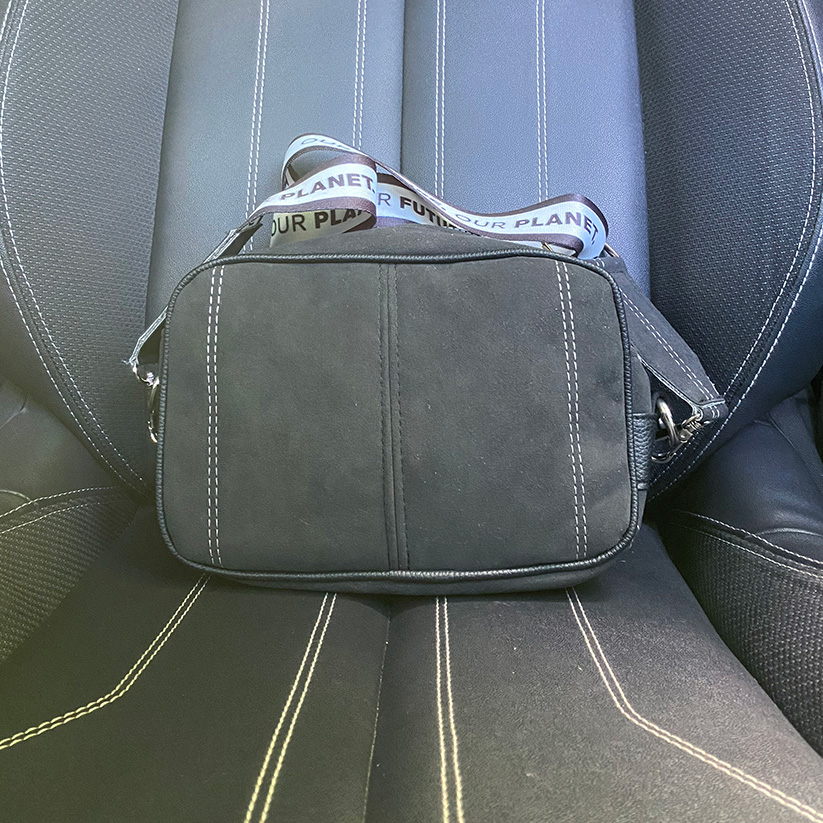
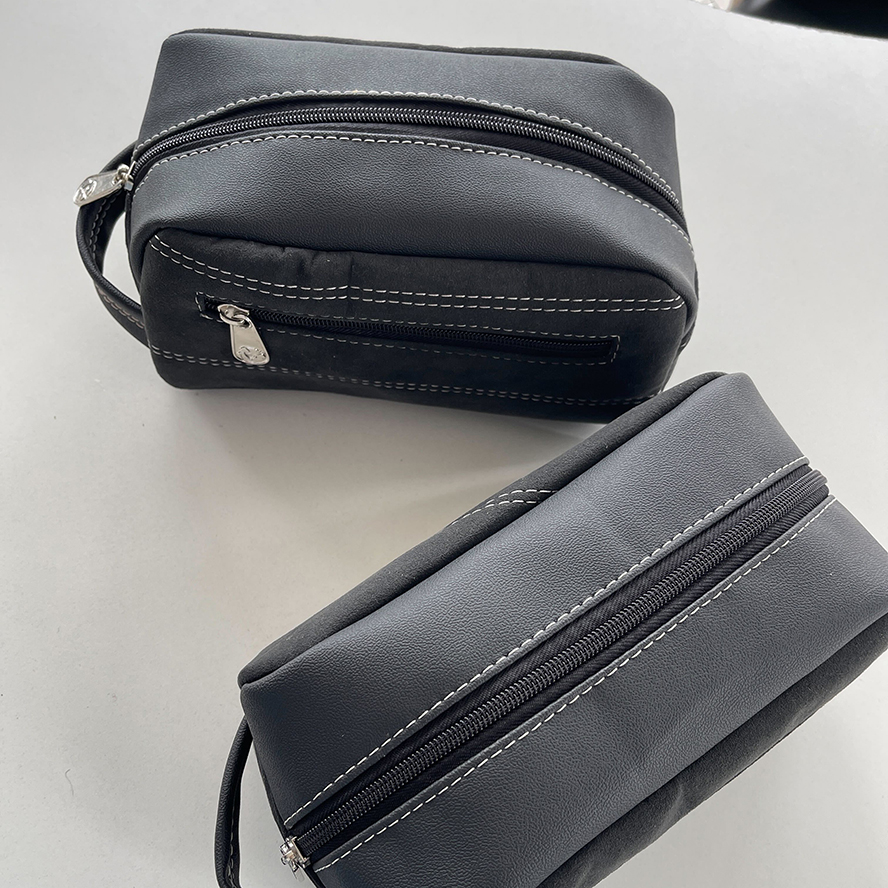
More than 3,360 m² of automotive upholstery recovered and transformed into nine documented product types.
The figures in this case are checked and the record is managed by REZET Hub.
More than 3,360 m² of upholstery collected mixed, as it leaves the line, instead of asking the plant to pre-sort what it cannot pre-sort.
Suede, textile, leather and felt each handled by what it withstands, which is the step that turns a mixed stream from a problem into a range.
Leather does what felt cannot; suede does what textile cannot. The catalogue is derived from the material, and that is why it cannot be imitated with new cloth.
Output reconciled against the recorded intake, so a complex stream stays auditable instead of collapsing into one convenient figure.
Behind each of these figures there are families. The people who cut and sew in these workshops are not a line in our metrics: they are heads of family who have come through hard circumstances, and paid, skilled work is what lets them be the ones who provide.
05 · Outcome
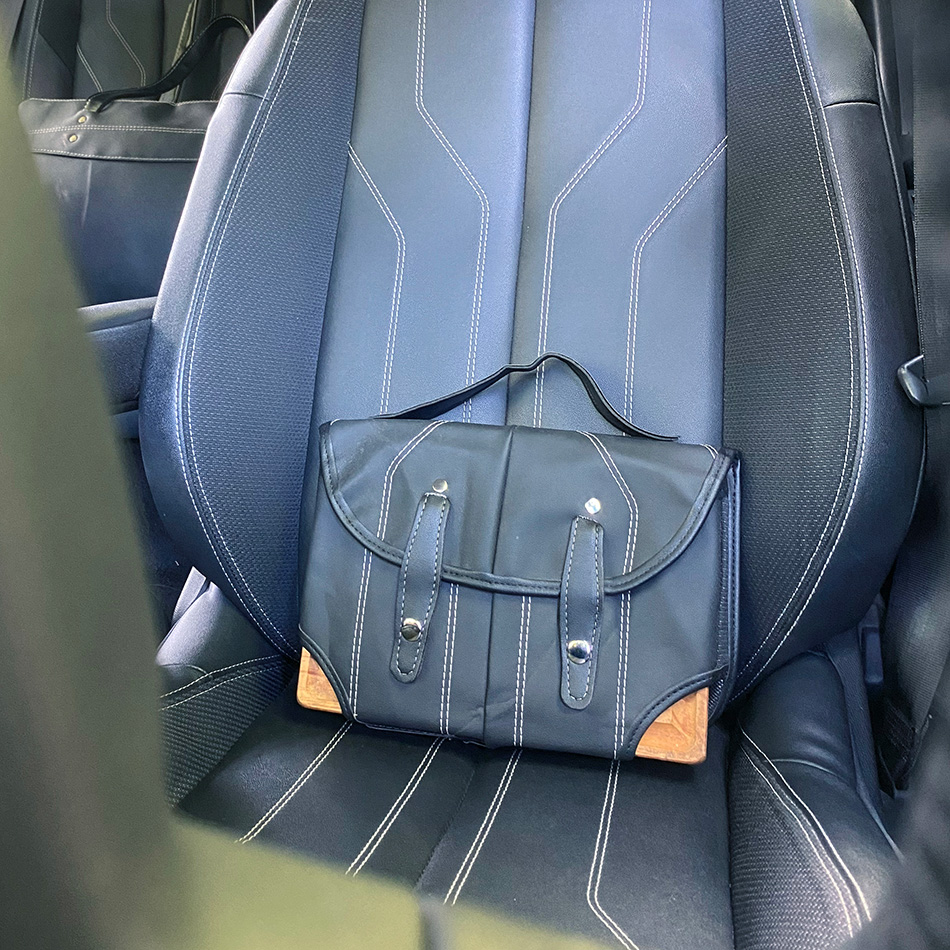
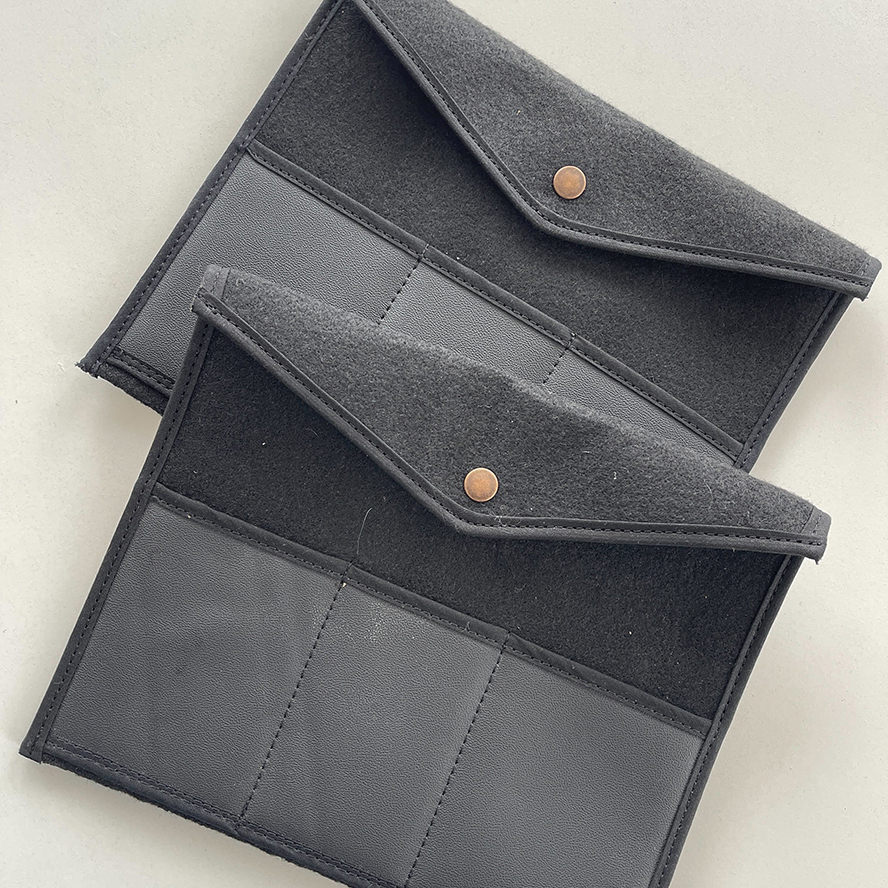
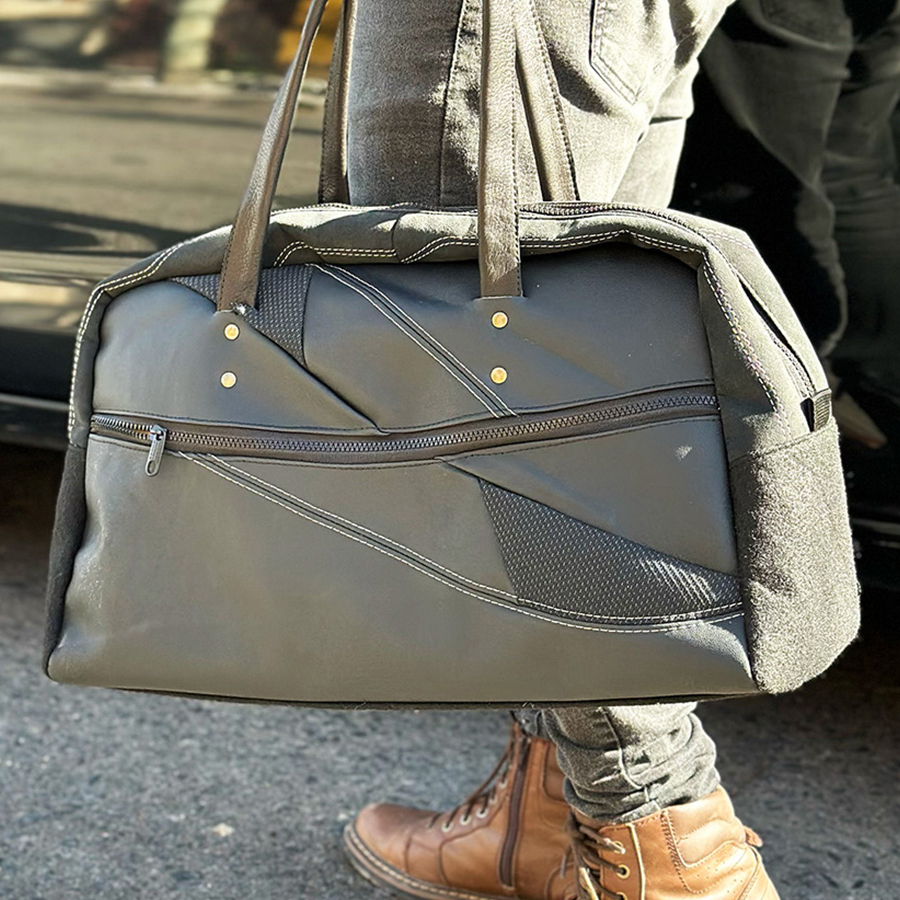
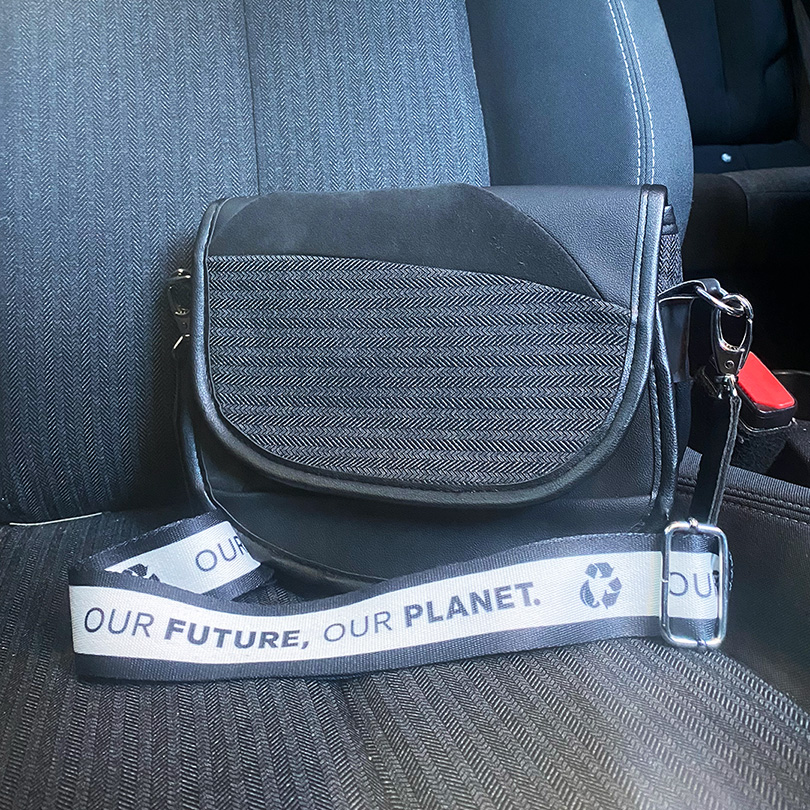
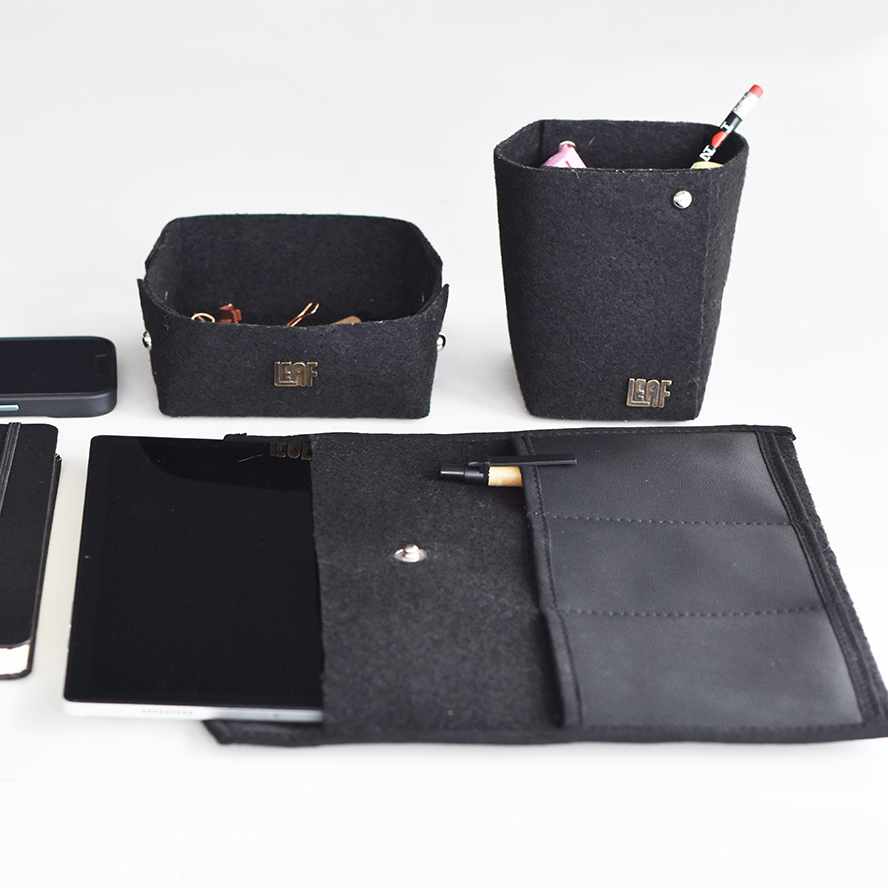
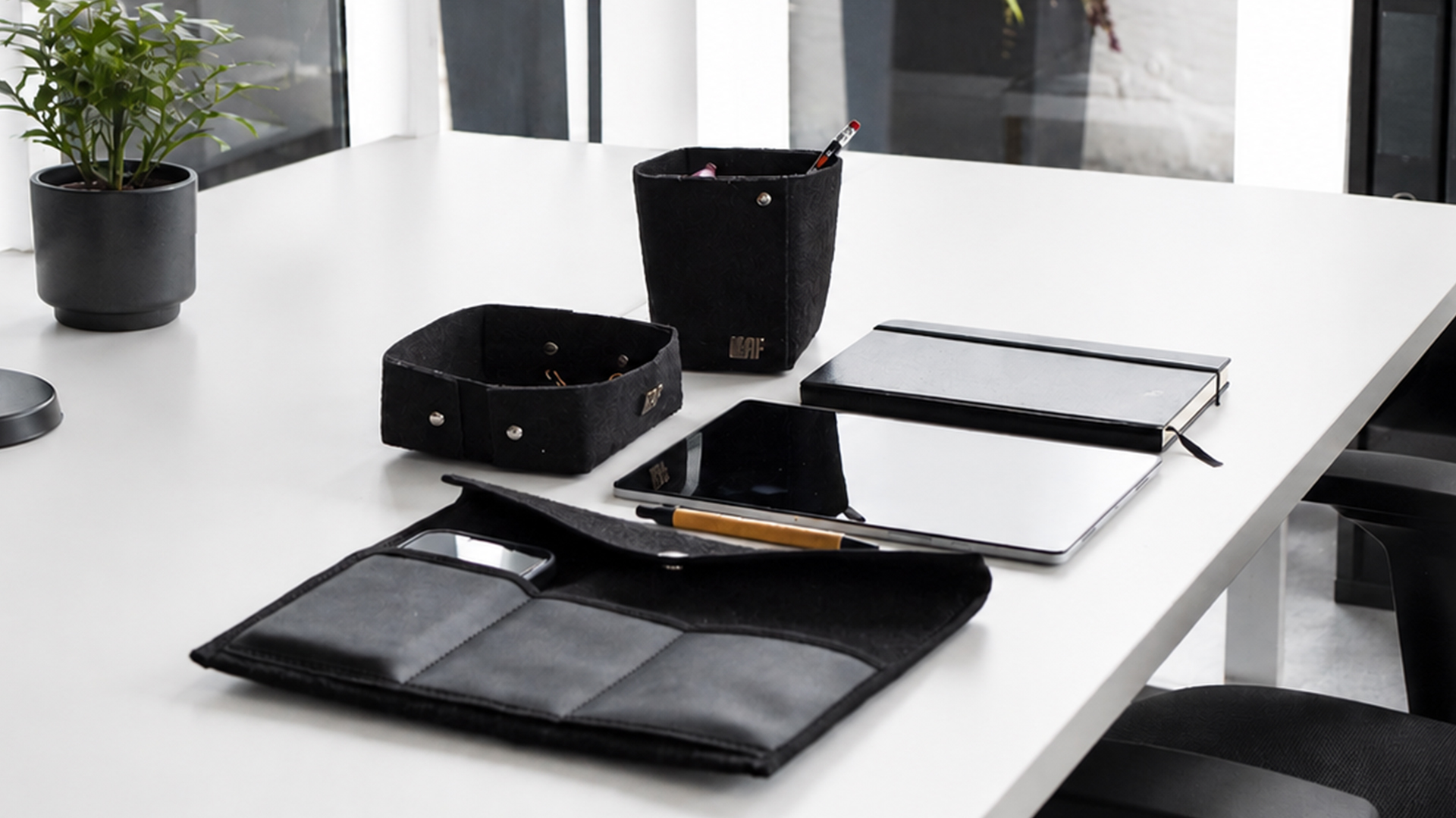
More than 3,360 m² of upholstery waste — suede, textiles, leather and felt — became tote bags, handbags, phone bags, mini bags, weekender bags, backpacks, pouches and notebook sleeves. Not easy to work with, and full of possibility. Made by 7 people in social impact workshops.
Why repurpose




















Start a circular programme
Tell us what you have and what outcome you need. We will assess the stream before you commit to scale.
Request a waste assessment